Jumat, 27 April 2012

[G730.Ebook] PDF Ebook Boy's Guide to Girls: 30 Pointers You Won't Get From Your Parents or Friends, by Gary J. Campbell MS BSW, Frank C. Hawkins

PDF Ebook Boy's Guide to Girls: 30 Pointers You Won't Get From Your Parents or Friends, by Gary J. Campbell MS BSW, Frank C. Hawkins

By reading this e-book Boy's Guide To Girls: 30 Pointers You Won't Get From Your Parents Or Friends, By Gary J. Campbell MS BSW, Frank C. Hawkins, you will get the very best thing to obtain. The new point that you do not need to invest over cash to get to is by doing it on your own. So, exactly what should you do now? Visit the link web page and also download and install the book Boy's Guide To Girls: 30 Pointers You Won't Get From Your Parents Or Friends, By Gary J. Campbell MS BSW, Frank C. Hawkins You could obtain this Boy's Guide To Girls: 30 Pointers You Won't Get From Your Parents Or Friends, By Gary J. Campbell MS BSW, Frank C. Hawkins by on-line. It's so very easy, right? Nowadays, modern technology actually sustains you tasks, this on the internet publication Boy's Guide To Girls: 30 Pointers You Won't Get From Your Parents Or Friends, By Gary J. Campbell MS BSW, Frank C. Hawkins, is as well.

Boy's Guide to Girls: 30 Pointers You Won't Get From Your Parents or Friends, by Gary J. Campbell MS  BSW, Frank C. Hawkins

Boy's Guide to Girls: 30 Pointers You Won't Get From Your Parents or Friends, by Gary J. Campbell MS BSW, Frank C. Hawkins


Boy's Guide to Girls: 30 Pointers You Won't Get From Your Parents or Friends, by Gary J. Campbell MS  BSW, Frank C. Hawkins

PDF Ebook Boy's Guide to Girls: 30 Pointers You Won't Get From Your Parents or Friends, by Gary J. Campbell MS BSW, Frank C. Hawkins

Boy's Guide To Girls: 30 Pointers You Won't Get From Your Parents Or Friends, By Gary J. Campbell MS BSW, Frank C. Hawkins Just how a basic idea by reading can improve you to be a successful individual? Reviewing Boy's Guide To Girls: 30 Pointers You Won't Get From Your Parents Or Friends, By Gary J. Campbell MS BSW, Frank C. Hawkins is a very basic activity. However, exactly how can many people be so careless to review? They will like to spend their leisure time to talking or hanging around. When as a matter of fact, reviewing Boy's Guide To Girls: 30 Pointers You Won't Get From Your Parents Or Friends, By Gary J. Campbell MS BSW, Frank C. Hawkins will give you a lot more probabilities to be successful completed with the hard works.

As one of the home window to open the brand-new world, this Boy's Guide To Girls: 30 Pointers You Won't Get From Your Parents Or Friends, By Gary J. Campbell MS BSW, Frank C. Hawkins supplies its amazing writing from the author. Published in among the prominent publishers, this book Boy's Guide To Girls: 30 Pointers You Won't Get From Your Parents Or Friends, By Gary J. Campbell MS BSW, Frank C. Hawkins becomes one of one of the most ideal books just recently. Really, the book will not matter if that Boy's Guide To Girls: 30 Pointers You Won't Get From Your Parents Or Friends, By Gary J. Campbell MS BSW, Frank C. Hawkins is a best seller or not. Every book will certainly constantly offer best sources to obtain the viewers all finest.

Nevertheless, some people will seek for the very best seller publication to review as the first reference. This is why; this Boy's Guide To Girls: 30 Pointers You Won't Get From Your Parents Or Friends, By Gary J. Campbell MS BSW, Frank C. Hawkins is presented to satisfy your necessity. Some people like reading this publication Boy's Guide To Girls: 30 Pointers You Won't Get From Your Parents Or Friends, By Gary J. Campbell MS BSW, Frank C. Hawkins because of this prominent book, yet some love this as a result of favourite writer. Or, several additionally like reading this book Boy's Guide To Girls: 30 Pointers You Won't Get From Your Parents Or Friends, By Gary J. Campbell MS BSW, Frank C. Hawkins considering that they truly have to read this book. It can be the one that truly enjoy reading.

In getting this Boy's Guide To Girls: 30 Pointers You Won't Get From Your Parents Or Friends, By Gary J. Campbell MS BSW, Frank C. Hawkins, you might not constantly pass walking or riding your motors to the book stores. Get the queuing, under the rainfall or warm light, as well as still look for the unknown publication to be in that publication shop. By seeing this web page, you could only search for the Boy's Guide To Girls: 30 Pointers You Won't Get From Your Parents Or Friends, By Gary J. Campbell MS BSW, Frank C. Hawkins as well as you can discover it. So currently, this time around is for you to opt for the download web link and purchase Boy's Guide To Girls: 30 Pointers You Won't Get From Your Parents Or Friends, By Gary J. Campbell MS BSW, Frank C. Hawkins as your personal soft documents book. You can read this book Boy's Guide To Girls: 30 Pointers You Won't Get From Your Parents Or Friends, By Gary J. Campbell MS BSW, Frank C. Hawkins in soft documents only and save it as all yours. So, you do not need to fast put guide Boy's Guide To Girls: 30 Pointers You Won't Get From Your Parents Or Friends, By Gary J. Campbell MS BSW, Frank C. Hawkins into your bag all over.

Boy's Guide to Girls: 30 Pointers You Won't Get From Your Parents or Friends, by Gary J. Campbell MS  BSW, Frank C. Hawkins

Written in a lively, upbeat tone that talks to young men ages 10 and up in their own language, this book guides them through the maze of emotions, peer pressure, and misconceptions that surround girls and dating. Filled with solid advice and information that enables young men to make good decisions and handle themselves around girls now and in the future, the text is interspersed with quick personalized quizzes to build understanding and self-confidence. Individual chapter topics include crushes, getting to know a girl, what to do when you go out, how to break up, getting dumped, dances, and parties.

  • Sales Rank: #346402 in Books
  • Brand: Campbell, Gary J./ Hawkins, Frank C.
  • Published on: 2012-02-01
  • Original language: English
  • Number of items: 1
  • Dimensions: 8.50" h x .40" w x 5.50" l, .40 pounds
  • Binding: Paperback
  • 128 pages

From the Author
BOY'S GUIDE TO GIRLS strips away the small talk and gets right to the business of how to talk with girls, read the unspoken signals they send, ask a girl on a date, deal with rejection, and know what to do when you go out.

About the Author

Gary J. Campbell, MS, BSW, is a licensed school counselor and social worker with more than 23 years of experience. He is on the Board of the Wisconsin School Counselor Association, a member of the St. Croix Valley Restorative Justice Board, and is faculty representative for the school district’s educational foundation. He lives in River Falls, Wisconsin. Frank C. Hawkins is the coauthor of The Book of Bad Habits for Young (And Not So Young!) Men and Women, The Boy’s Body Guide, The Boy’s Fitness Guide, and The Girl's Fitness Guide. He lives in Potomac Falls, Virginia.

Most helpful customer reviews

9 of 9 people found the following review helpful.
My son sought it out after I bought it.
By JenB
The book is fairly thin but it seemed to be age appropriate for my son who is 12 years old. I was fairly nonchalant when I gave it to him - I just said, "I got this for you. I thought there might be some interesting things in here now or when you are older." He acted a bit embarrassed but later that night he said, "Mom, where is that book you got me?". My son lost his father when he was only 9 so I'm always looking for good information that I can share in a way that doesn't make him feel weird.

8 of 8 people found the following review helpful.
A little help with a daunting task...
By Fatherhood Factor
A guide to understanding girls?

As impossible as this sounds, there are practical ways to ease the task of understanding those of the female persuasion. And in the spirit of helping young men along their way, this is a read that I urge dads to pick up.

While the book is meant for boys aged 12 and up, there are some great tips in this book that can help dads as they coach and counsel their sons. The great thing is that this isn't simply a ploy to help boys learn the "tricks of the trade", but more so a book that actually encourages them to become men of character and reliability.

Sure it's funny and light-hearted at times, but it also carries a message of importance that will help fathers as they take on the challenge of raising "men of the future". A great read!

3 of 4 people found the following review helpful.
Perfect for the boy who'll read it.
By O. J. McDaniel
My son is a very earnest type, and is very concerned about knowing the right way to handle situations...in other words what is expected of him. He is now 12, and has his first real girlfriend...more a girl friend, but moving towards something more. This book gives frank, down-to-earth discussion of issues that his friends would laugh about or make light of. It gives him some insight into what might be good ways to deal with all the issues, complexities and feelings around dealing with crushes, girls,etc. He really liked it, and so do I.

See all 14 customer reviews...

Boy's Guide to Girls: 30 Pointers You Won't Get From Your Parents or Friends, by Gary J. Campbell MS BSW, Frank C. Hawkins PDF
Boy's Guide to Girls: 30 Pointers You Won't Get From Your Parents or Friends, by Gary J. Campbell MS BSW, Frank C. Hawkins EPub
Boy's Guide to Girls: 30 Pointers You Won't Get From Your Parents or Friends, by Gary J. Campbell MS BSW, Frank C. Hawkins Doc
Boy's Guide to Girls: 30 Pointers You Won't Get From Your Parents or Friends, by Gary J. Campbell MS BSW, Frank C. Hawkins iBooks
Boy's Guide to Girls: 30 Pointers You Won't Get From Your Parents or Friends, by Gary J. Campbell MS BSW, Frank C. Hawkins rtf
Boy's Guide to Girls: 30 Pointers You Won't Get From Your Parents or Friends, by Gary J. Campbell MS BSW, Frank C. Hawkins Mobipocket
Boy's Guide to Girls: 30 Pointers You Won't Get From Your Parents or Friends, by Gary J. Campbell MS BSW, Frank C. Hawkins Kindle

Boy's Guide to Girls: 30 Pointers You Won't Get From Your Parents or Friends, by Gary J. Campbell MS BSW, Frank C. Hawkins PDF

Boy's Guide to Girls: 30 Pointers You Won't Get From Your Parents or Friends, by Gary J. Campbell MS BSW, Frank C. Hawkins PDF

Boy's Guide to Girls: 30 Pointers You Won't Get From Your Parents or Friends, by Gary J. Campbell MS BSW, Frank C. Hawkins PDF

Senin, 23 April 2012

[F366.Ebook] Fee Download Practical Financial Modelling, Third Edition: The Development and Audit of Cash Flow Models, by Jonathan Swan

Fee Download Practical Financial Modelling, Third Edition: The Development and Audit of Cash Flow Models, by Jonathan Swan

Downloading and install the book Practical Financial Modelling, Third Edition: The Development And Audit Of Cash Flow Models, By Jonathan Swan in this site lists could make you much more advantages. It will certainly show you the very best book collections as well as finished collections. Plenty books can be discovered in this web site. So, this is not just this Practical Financial Modelling, Third Edition: The Development And Audit Of Cash Flow Models, By Jonathan Swan Nonetheless, this book is referred to check out due to the fact that it is a motivating publication to offer you more chance to get encounters and ideas. This is easy, check out the soft documents of the book Practical Financial Modelling, Third Edition: The Development And Audit Of Cash Flow Models, By Jonathan Swan as well as you get it.

Practical Financial Modelling, Third Edition: The Development and Audit of Cash Flow Models, by Jonathan Swan

Practical Financial Modelling, Third Edition: The Development and Audit of Cash Flow Models, by Jonathan Swan


Practical Financial Modelling, Third Edition: The Development and Audit of Cash Flow Models, by Jonathan Swan

Fee Download Practical Financial Modelling, Third Edition: The Development and Audit of Cash Flow Models, by Jonathan Swan

Is Practical Financial Modelling, Third Edition: The Development And Audit Of Cash Flow Models, By Jonathan Swan publication your favourite reading? Is fictions? Just how's about history? Or is the most effective vendor novel your selection to satisfy your leisure? Or even the politic or spiritual books are you looking for now? Here we go we provide Practical Financial Modelling, Third Edition: The Development And Audit Of Cash Flow Models, By Jonathan Swan book collections that you need. Lots of numbers of books from lots of areas are given. From fictions to science and spiritual can be browsed and discovered right here. You could not fret not to locate your referred publication to review. This Practical Financial Modelling, Third Edition: The Development And Audit Of Cash Flow Models, By Jonathan Swan is among them.

As known, many individuals state that books are the home windows for the globe. It doesn't mean that purchasing e-book Practical Financial Modelling, Third Edition: The Development And Audit Of Cash Flow Models, By Jonathan Swan will imply that you can acquire this globe. Just for joke! Checking out an e-book Practical Financial Modelling, Third Edition: The Development And Audit Of Cash Flow Models, By Jonathan Swan will certainly opened up somebody to assume better, to maintain smile, to entertain themselves, and to motivate the expertise. Every e-book also has their unique to influence the reader. Have you recognized why you read this Practical Financial Modelling, Third Edition: The Development And Audit Of Cash Flow Models, By Jonathan Swan for?

Well, still puzzled of ways to obtain this e-book Practical Financial Modelling, Third Edition: The Development And Audit Of Cash Flow Models, By Jonathan Swan right here without going outside? Simply attach your computer system or gizmo to the web and also start downloading Practical Financial Modelling, Third Edition: The Development And Audit Of Cash Flow Models, By Jonathan Swan Where? This web page will certainly reveal you the web link web page to download Practical Financial Modelling, Third Edition: The Development And Audit Of Cash Flow Models, By Jonathan Swan You never ever fret, your favourite e-book will certainly be faster your own now. It will certainly be a lot easier to appreciate reviewing Practical Financial Modelling, Third Edition: The Development And Audit Of Cash Flow Models, By Jonathan Swan by on the internet or obtaining the soft data on your kitchen appliance. It will regardless of who you are as well as exactly what you are. This publication Practical Financial Modelling, Third Edition: The Development And Audit Of Cash Flow Models, By Jonathan Swan is composed for public and you are among them that could enjoy reading of this e-book Practical Financial Modelling, Third Edition: The Development And Audit Of Cash Flow Models, By Jonathan Swan

Spending the extra time by checking out Practical Financial Modelling, Third Edition: The Development And Audit Of Cash Flow Models, By Jonathan Swan could offer such excellent encounter also you are only sitting on your chair in the workplace or in your bed. It will not curse your time. This Practical Financial Modelling, Third Edition: The Development And Audit Of Cash Flow Models, By Jonathan Swan will certainly assist you to have even more priceless time while taking remainder. It is extremely satisfying when at the midday, with a cup of coffee or tea as well as an e-book Practical Financial Modelling, Third Edition: The Development And Audit Of Cash Flow Models, By Jonathan Swan in your gadget or computer system display. By delighting in the sights around, right here you can begin reviewing.

Practical Financial Modelling, Third Edition: The Development and Audit of Cash Flow Models, by Jonathan Swan

Practical Financial Modelling, 3e is a book on model development and model assurance. It enhances the modelling process by emphasizing controls and checks for accuracy and reliability. New content on validation and verification, model use and sensitivity analysis is presented alongside a modelling methodology that underpins the various proprietary standards used in financial modelling today. It provides more details than other books and yet is general enough for applying its methodology to many applications. This book isn’t just about the details of building cash flow models, it’s about building better cash flow models.

  • This new edition increases the number of worked examples and introduces new material on the audit sheet and audit workbook methodologies, and the delta sheet approach to sensitivity analysis.
  • It provides the developer with a toolkit of modelling techniques and a framework of error controls to reduce the risk of spreadsheet error.
  • The methodology and structure conforms with the modelling principles defined by the Institute of Chartered Accountants of England and Wales; and the model assurance processes ensure compliance with the UK public sector Macpherson Report and regulatory requirements such as Sarbanes-Oxley.

  • Sales Rank: #1689429 in Books
  • Brand: imusti
  • Published on: 2015-09-04
  • Released on: 2015-08-21
  • Original language: English
  • Number of items: 1
  • Dimensions: 9.00" h x .76" w x 6.00" l, 1.20 pounds
  • Binding: Paperback
  • 336 pages
Features
  • Elsevier Science Technology

Review

"The 3rd edition of Practical Financial Modelling by Jonathan Swan is a must-read for any organization engaged in corporate modelling in the Excel environment. This well-forged edition offers practitioners important insights and methods to develop models that are useful to the key decision-makers, free of errors, and maintainable for the future by implementing industry standards in model development. Few books in financial modelling even touch on the importance of technique. This book offers a compelling guide to ensure model competence."  --John C. Banko, University of Florida

"Jonathan Swan has provided an excellent financial modelling resource, written in a practical way that will appeal to practitioners and academics alike. The book very effectively addresses the essential topic of quality assurance and is bursting with invaluable advice on avoiding errors and improving controls."  --Rob Powell, Edith Cowan University

"Practical Financial Modelling provides a great coverage of topics for a book on process modelling. It successfully guides the reader in an innovative practical approach through model use, validation and sensitive analysis. This is a very valuable material to any practitioner, student, or researcher in the modelling process framework."  --Leandro Maciel, University of Campinas

From the Back Cover

Practical Financial Modelling, 3e is a book on model development and model assurance. It enhances the modelling process by emphasizing controls and checks for accuracy and reliability. New content on validation and verification, model use and sensitivity analysis is presented alongside a modelling methodology that underpins the various proprietary standards used in financial modelling today. It provides more details than other books and yet is general enough for applying its methodology to many applications. This book isn’t just about the details of building cash flow models, it’s about building better cash flow models.

About the Author
Jonathan Swan's work has encompassed a range of consultancy and development assignments with investment banks and others in the City and throughout Europe. He is currently Director of Training at Operis Group plc, the UK's leading independent financial modelling consultancy.

Most helpful customer reviews

0 of 0 people found the following review helpful.
Not Satisfactory.
By Christian Perez
I expected more in-depth detail and instruction of cash flow models, with examples of developing a model "from scratch" with formulas and discussion of theory. However, the book only discusses controls and different checks to implement in already existing models you may have, and discusses topics that can be seen in a regular research of regulatory requirements.

See all 1 customer reviews...

Practical Financial Modelling, Third Edition: The Development and Audit of Cash Flow Models, by Jonathan Swan PDF
Practical Financial Modelling, Third Edition: The Development and Audit of Cash Flow Models, by Jonathan Swan EPub
Practical Financial Modelling, Third Edition: The Development and Audit of Cash Flow Models, by Jonathan Swan Doc
Practical Financial Modelling, Third Edition: The Development and Audit of Cash Flow Models, by Jonathan Swan iBooks
Practical Financial Modelling, Third Edition: The Development and Audit of Cash Flow Models, by Jonathan Swan rtf
Practical Financial Modelling, Third Edition: The Development and Audit of Cash Flow Models, by Jonathan Swan Mobipocket
Practical Financial Modelling, Third Edition: The Development and Audit of Cash Flow Models, by Jonathan Swan Kindle

Practical Financial Modelling, Third Edition: The Development and Audit of Cash Flow Models, by Jonathan Swan PDF

Practical Financial Modelling, Third Edition: The Development and Audit of Cash Flow Models, by Jonathan Swan PDF

Practical Financial Modelling, Third Edition: The Development and Audit of Cash Flow Models, by Jonathan Swan PDF

Sabtu, 21 April 2012

[Q843.Ebook] Ebook Download The Emerald Tablet: Alchemy for Personal Transformation, by Dennis William Hauck

Ebook Download The Emerald Tablet: Alchemy for Personal Transformation, by Dennis William Hauck

Due to the fact that e-book The Emerald Tablet: Alchemy For Personal Transformation, By Dennis William Hauck has wonderful benefits to read, lots of people now grow to have reading routine. Assisted by the established modern technology, nowadays, it is uncomplicated to obtain the e-book The Emerald Tablet: Alchemy For Personal Transformation, By Dennis William Hauck Also guide is not existed yet in the market, you to browse for in this web site. As what you could locate of this The Emerald Tablet: Alchemy For Personal Transformation, By Dennis William Hauck It will actually alleviate you to be the initial one reading this book The Emerald Tablet: Alchemy For Personal Transformation, By Dennis William Hauck as well as get the benefits.

The Emerald Tablet: Alchemy for Personal Transformation, by Dennis William Hauck

The Emerald Tablet: Alchemy for Personal Transformation, by Dennis William Hauck


The Emerald Tablet: Alchemy for Personal Transformation, by Dennis William Hauck

Ebook Download The Emerald Tablet: Alchemy for Personal Transformation, by Dennis William Hauck

Why must get ready for some days to obtain or obtain guide The Emerald Tablet: Alchemy For Personal Transformation, By Dennis William Hauck that you order? Why must you take it if you could get The Emerald Tablet: Alchemy For Personal Transformation, By Dennis William Hauck the faster one? You could locate the very same book that you order here. This is it guide The Emerald Tablet: Alchemy For Personal Transformation, By Dennis William Hauck that you can receive directly after purchasing. This The Emerald Tablet: Alchemy For Personal Transformation, By Dennis William Hauck is popular book around the world, obviously many people will certainly attempt to have it. Why don't you come to be the very first? Still confused with the way?

Why need to be this book The Emerald Tablet: Alchemy For Personal Transformation, By Dennis William Hauck to review? You will certainly never ever obtain the expertise and encounter without getting by on your own there or attempting on your own to do it. For this reason, reading this publication The Emerald Tablet: Alchemy For Personal Transformation, By Dennis William Hauck is needed. You could be great as well as appropriate sufficient to obtain exactly how essential is reviewing this The Emerald Tablet: Alchemy For Personal Transformation, By Dennis William Hauck Also you consistently check out by responsibility, you can support yourself to have reading book routine. It will certainly be so beneficial and enjoyable then.

But, just how is the means to get this publication The Emerald Tablet: Alchemy For Personal Transformation, By Dennis William Hauck Still confused? It doesn't matter. You can appreciate reviewing this e-book The Emerald Tablet: Alchemy For Personal Transformation, By Dennis William Hauck by on-line or soft data. Just download the book The Emerald Tablet: Alchemy For Personal Transformation, By Dennis William Hauck in the link offered to check out. You will certainly obtain this The Emerald Tablet: Alchemy For Personal Transformation, By Dennis William Hauck by online. After downloading and install, you could save the soft file in your computer or gizmo. So, it will relieve you to review this publication The Emerald Tablet: Alchemy For Personal Transformation, By Dennis William Hauck in specific time or place. It might be not exactly sure to delight in reviewing this publication The Emerald Tablet: Alchemy For Personal Transformation, By Dennis William Hauck, because you have great deals of task. However, with this soft documents, you can appreciate checking out in the spare time even in the gaps of your jobs in workplace.

Once again, reviewing habit will certainly always provide valuable perks for you. You may not have to invest sometimes to read guide The Emerald Tablet: Alchemy For Personal Transformation, By Dennis William Hauck Merely reserved numerous times in our spare or leisure times while having meal or in your workplace to read. This The Emerald Tablet: Alchemy For Personal Transformation, By Dennis William Hauck will reveal you brand-new thing that you could do now. It will certainly aid you to improve the quality of your life. Event it is simply a fun book The Emerald Tablet: Alchemy For Personal Transformation, By Dennis William Hauck, you can be healthier and a lot more enjoyable to appreciate reading.

The Emerald Tablet: Alchemy for Personal Transformation, by Dennis William Hauck

The Emerald Tablet?an ancient document that contains the essence of the alchemical teachings?has had an important influence on many Western spiritual and religious traditions. Ostensibly concerned with turning base metals into gold, alchemy was in fact dedicated to transforming the lead of self into the gold of spirit. This brilliant history of alchemy traces its sources back to ancient Egypt, and presents alchemy as a useful, practical system of self-transformation. Each of the seven steps of alchemical transformation is explained, with hands-on techniques and exercises, treating alchemy as a living discipline for achieving a spiritual awakening.

  • Sales Rank: #145548 in Books
  • Color: Multicolor
  • Published on: 1999-03-01
  • Released on: 1999-03-01
  • Original language: English
  • Number of items: 1
  • Dimensions: 7.90" h x .97" w x 5.34" l, .87 pounds
  • Binding: Paperback
  • 464 pages

From Publishers Weekly
An emerald slab inscribed with the esoteric wisdom of Hermes Trismegistus that may be more than 2000 years old has inspired alchemists throughout history in their quest to understand the relationship between humans and the universe. Hauck, who has written about mystical experiences (Haunted Places), explores the tablet's message, drawing primarily on the work of classical scholars such as the Persian alchemist Zoroaster, the 16th-century physician Paracelsus, Pharaoh Akhenaten and the pre-Christian alchemist Maria Prophetissa to illuminate his substantial review of the history and principles of alchemy. In the Hermetic tradition, the physical and metaphysical worlds are mirror images: the transformation of a base metal into gold corresponds to the evolution of an ego-dominated person into one who possesses a permanent state of enlightened consciousness. Hauck's elucidation of the laws governing the refinement of energy, such as the Doctrine of Correspondence, the Seven Steps to Transformation and the Octave of Creation, will strike a chord with students of modern esoteric traditions such as the Fourth Way and Theosophy. His explanations of alchemical principles are difficult to understand, however, and will require scrutiny on the part of readers new to the material. However, those who have dabbled in the esoteric arts may find real gold in these teachings. 43 illustrations. Author tour.
Copyright 1999 Reed Business Information, Inc.

From Library Journal
There is no phenomenon of Western culture more surprising and perennially fascinating than that of alchemyAthe endless search of learned fanatics for the secret of making gold, or wisdom, or both. Hauck, a practicing alchemist, is the latest in a line of re-inventors of the old tradition, and his reflections on the inner meaning of calcination, coagulation, and other alchemical processes is both idiosyncratic and fascinating. Highly recommended for larger libraries, or where books on occult traditions are popular.
Copyright 1999 Reed Business Information, Inc.

About the Author
Dennis William Hauck, journalist and internationally recognized authority on the paranormal, is one of the founding editors of the Mutual UFO Network's MUFON UFO Journal. He currently publishes a weekly newsletter, The Haunted Places Report.

Most helpful customer reviews

62 of 66 people found the following review helpful.
Good introduction for beginners
By Anne
This book serves as a plain language introduction to alchemical symbolism and concepts. It includes an English translation and line-by-line explication of the Emerald Tablet. It also devotes a complete chapter to each of the seven operations of alchemy and includes several black and white illustrations from traditional treatises on alchemy. Unfortunately, the author spends a little too much time attempting to demonstrate his personal alchemical achievements, with results that can be downright silly ("Those who know do not speak; those who speak do not know" -Lao Tzu). The suggested exercises are unhelpful (for greater benefit, I would recommend taking up a discipline like yoga), the inclusion of celebrity star signs (not to mention a subchapter called "The calcination of William Shatner") undermines the credibility of the whole, and the absence of a strong editor shows up in several avoidable errors (using the word "courtesan" for "courtier", referring to Antonin Artaud as a 19th-century figure, etc.). Still, I would recommend this book to anyone looking for a basic guide to alchemical processes and symbolism.

38 of 42 people found the following review helpful.
Good Start
By Laura De Giorgio
The book is most suitable for people who are new to alchemy because it is written in a very simple language. In this book Dennis takes the verses from the Emerald Tablet, as a pattern for seven stages of alchemical transformation, and applies it to different areas of human development. He provides numerous examples which are intended to facilitate the understanding of each stage of alchemical transformation, but in my opinion, some of these examples don't quite make it.

The book will nevertheless be very helpful to a beginner to get an idea about the seven stages of alchemical transformation - to actually know them, one will have to experience them - and the later stages of alchemical transformation seem to be beyond the scope of this book - at least I have that impression based on the examples provided.

32 of 37 people found the following review helpful.
Finally a transparent alchemy book
By F. Presson
If you've tried to understand the alchemical and Hermetic
traditions from primary sources, or translations thereof,
you have probably been as frustrated as I was. Those sources
are not written to be read by the uninitiated or even the
semi-initiated. Hauck has tied the tradition together from
its earliest origins and made it understandable. I looked for
my copy of _The Emerald Tablet_ to be able to cite details for
this review, but it's making the rounds of my circle of friends
right now. I may just have to buy another.

See all 58 customer reviews...

The Emerald Tablet: Alchemy for Personal Transformation, by Dennis William Hauck PDF
The Emerald Tablet: Alchemy for Personal Transformation, by Dennis William Hauck EPub
The Emerald Tablet: Alchemy for Personal Transformation, by Dennis William Hauck Doc
The Emerald Tablet: Alchemy for Personal Transformation, by Dennis William Hauck iBooks
The Emerald Tablet: Alchemy for Personal Transformation, by Dennis William Hauck rtf
The Emerald Tablet: Alchemy for Personal Transformation, by Dennis William Hauck Mobipocket
The Emerald Tablet: Alchemy for Personal Transformation, by Dennis William Hauck Kindle

The Emerald Tablet: Alchemy for Personal Transformation, by Dennis William Hauck PDF

The Emerald Tablet: Alchemy for Personal Transformation, by Dennis William Hauck PDF

The Emerald Tablet: Alchemy for Personal Transformation, by Dennis William Hauck PDF

[K513.Ebook] Fee Download The Last Gift: A Novel, by Abdulrazak Gurnah

Fee Download The Last Gift: A Novel, by Abdulrazak Gurnah

In getting this The Last Gift: A Novel, By Abdulrazak Gurnah, you could not constantly pass strolling or riding your electric motors to the book shops. Get the queuing, under the rainfall or hot light, as well as still hunt for the unidentified publication to be in that publication store. By seeing this web page, you could just look for the The Last Gift: A Novel, By Abdulrazak Gurnah and also you can locate it. So currently, this time around is for you to go with the download web link as well as acquisition The Last Gift: A Novel, By Abdulrazak Gurnah as your very own soft data publication. You can read this book The Last Gift: A Novel, By Abdulrazak Gurnah in soft file just as well as wait as all yours. So, you do not need to fast place the book The Last Gift: A Novel, By Abdulrazak Gurnah into your bag anywhere.

The Last Gift: A Novel, by Abdulrazak Gurnah

The Last Gift: A Novel, by Abdulrazak Gurnah


The Last Gift: A Novel, by Abdulrazak Gurnah

Fee Download The Last Gift: A Novel, by Abdulrazak Gurnah

The Last Gift: A Novel, By Abdulrazak Gurnah Just how can you transform your mind to be a lot more open? There numerous sources that could aid you to boost your ideas. It can be from the various other experiences as well as story from some individuals. Book The Last Gift: A Novel, By Abdulrazak Gurnah is among the relied on sources to obtain. You can discover numerous books that we discuss here in this internet site. As well as currently, we show you among the best, the The Last Gift: A Novel, By Abdulrazak Gurnah

As known, lots of people say that publications are the custom windows for the globe. It does not imply that buying book The Last Gift: A Novel, By Abdulrazak Gurnah will certainly indicate that you could get this globe. Simply for joke! Reading a book The Last Gift: A Novel, By Abdulrazak Gurnah will certainly opened up somebody to assume better, to keep smile, to delight themselves, and to urge the knowledge. Every e-book likewise has their particular to influence the reader. Have you understood why you read this The Last Gift: A Novel, By Abdulrazak Gurnah for?

Well, still puzzled of the best ways to get this publication The Last Gift: A Novel, By Abdulrazak Gurnah below without going outside? Merely connect your computer system or gadget to the web as well as start downloading and install The Last Gift: A Novel, By Abdulrazak Gurnah Where? This web page will show you the web link web page to download and install The Last Gift: A Novel, By Abdulrazak Gurnah You never ever worry, your preferred book will be faster all yours now. It will certainly be a lot less complicated to appreciate reading The Last Gift: A Novel, By Abdulrazak Gurnah by on the internet or obtaining the soft file on your kitchen appliance. It will no concern who you are as well as exactly what you are. This publication The Last Gift: A Novel, By Abdulrazak Gurnah is composed for public and also you are just one of them that could take pleasure in reading of this publication The Last Gift: A Novel, By Abdulrazak Gurnah

Investing the downtime by reviewing The Last Gift: A Novel, By Abdulrazak Gurnah can offer such terrific encounter even you are simply sitting on your chair in the workplace or in your bed. It will not curse your time. This The Last Gift: A Novel, By Abdulrazak Gurnah will certainly lead you to have more precious time while taking rest. It is very delightful when at the noon, with a cup of coffee or tea as well as a publication The Last Gift: A Novel, By Abdulrazak Gurnah in your device or computer display. By taking pleasure in the views around, here you can begin checking out.

The Last Gift: A Novel, by Abdulrazak Gurnah

One day, long before the troubles, he slipped away without saying a word to anyone and never went back. And then another day, forty-three years later, he collapsed just inside the front door of his house in a small English town. It was late in the day when it happened, on his way home after work, but it was also late in the day altogether. He had left things for too long and there was no one to blame for it but himself.

Abbas has never told anyone about his past-before he was a sailor on the high seas, before he met his wife Maryam outside a drugstore in Exeter, before they settled into a quiet life with their children, Jamal and Hanna. Now, at the age of sixty-three, he suffers a collapse that renders him unable to speak about things he thought he would one day have to.

Jamal and Hanna have grown up and gone out into the world. They were both born in England but cannot shake a sense of apartness. Hanna calls herself Anna now, and has just moved to a new city to be near her boyfriend. She feels the relationship is headed somewhere serious, but the words have not yet been spoken out loud. Jamal, the listener of the family, moves into a student house and is captivated by a young woman with dark blue eyes and her own complex story to tell. Abbas's illness forces both children home, to the dark silences of their father and the fretful capability of their mother, Maryam, who has never thought to find herself-until now.

  • Sales Rank: #1852515 in Books
  • Published on: 2014-02-11
  • Released on: 2014-02-11
  • Original language: English
  • Number of items: 1
  • Dimensions: 8.44" h x 1.06" w x 6.41" l, .92 pounds
  • Binding: Hardcover
  • 288 pages

From Booklist
Abbas has always lived a quiet life, believing that his own personal history was nobody’s business but his own. When a stroke nearly paralyzes him at 63, however, he suddenly becomes eager to share everything from the tiniest details of his childhood in Zanzibar to the sweeping tales of his travels around the world. Abbas’ wife, Maryam, decides to call their children, Jamal and Hannah, home to bear witness to their father’s tales and aid in his recovery. Maryam, Jamal, and Hannah, all somewhat preoccupied with their own lives and memories, absorb Abbas’ stories with a mixture of curiosity, disgust, and wonderment. Gurnah alternates Abbas’ recollections and stories from his wife and children, blending themes of reconciliation, identity, belonging, and alienation. Gurnah’s fluid, poetic prose contains striking turns of phrase that allow the reader to appreciate the beauty in even the most mundane memories. Fans of Half the Sky (2009) and The Kite Runner (2011) will appreciate the mixing of narratives in The Last Gift as the various perspectives blend to create a truly powerful novel. --Stephanie Turza

Review
“[A] haunting novel ... Gurnah [matches] a strong plot with powerful musings on mortality, the weight of memory, and the struggle to establish a postcolonial identity.” ―Publishers Weekly

About the Author
Abdulrazak Gurnah was born in 1948 in Zanzibar and lives in England, where he teaches at the University of Kent. He is the author of seven novels, which include Paradise, shortlisted for both the Booker and the Whitbread Prizes; By the Sea, longlisted for the Booker Prize and shortlisted for the Los Angeles Times Book Prize; and Desertion, shortlisted for the Commonwealth Prize.

Most helpful customer reviews

0 of 0 people found the following review helpful.
In the glass come see your face
By B. Goddard
This is a novel of discovery, revelation, and guilt. I recommend it in the way that I recommend Season of Migration to the North by Tayeb Salih: the novels are profound but elusive. They reveal the pain of dislocation; in the guise of immigrant stories they demonstrate how difficult it is to explain self, to be loyal to memory, and to discern what elements of shared existence really matter. Abbas is from a small village on Zanzibar who flees an awkward situation, but we do not know that until half way into the novel. Maryam is a foundling, fostered by an Indian couple who start to treat her as a servant. They meet and start a life with daughter Hannah and son Jamal. But who are these people, and does the past really define them?

You can search previous pages to find my comments on other of Gurnah’s novels, and I am now starting to think that he writes them to explain himself, to his readers and to himself. Many TEAArs taught on the coast,. and I think that you especially will enjoy Gurnah’s novels and perhaps deliberate on some level what will be your last gift (cf, the ending to Ellison’s Invisible Man).

1 of 1 people found the following review helpful.
"There was so much he should have said, but he had allowed the silence to set until it became immovable."
By Mary Whipple
Abdulrazak Gurnah, a writer born in Zanzibar and now teaching writing in England, has often focused on the many issues of immigration - the difficulties of immigrants in adjusting to a new culture, the guilt sometimes felt about the family and culture left behind, and, ultimately, the confusion about what "home" means and the sometimes painful, almost physical, yearning for it. This novel, his most detailed and complex analysis of immigration and its personal effects yet, is a multigenerational novel which opens with Abbas, a sixty-three-year-old man whose origins are, at first, unknown. On his way home from work, one extremely cold day, he becomes so ill that this proud man "wishes for someone to pick him up and carry him home," and when he finally arrives at home, he collapses. When he is taken to the hospital, unable to speak, he is full of regrets for all that he has never told his family.

Hanna, the daughter of Abbas and his wife Maryam, works as a teacher, while their son Jamal is working on a doctorate tracing migration patterns from Africa and Asia into England. Both children have failed to put down roots, though they are British citizens. Jamal believes, regarding his father, that there was something to be ashamed of, something that had been with him most of his life." Anna declares that "They are lost...Ba deliberately lost himself a long time ago, and Ma found herself lost from the beginning." It is not until well into the novel that Abbas's story emerges.

In the meantime, the stories of his wife Maryam, his children Hanna (Anna) and Jamal, and their relationships with each other unfold in detail, the points of view shifting among these four characters as Abbas relearns how to speak and work himself up to telling, finally, the secrets he has hidden for thirty years. The love affairs of the children, Anna and Jamal, and their changes of cities, apartments, and houses (possibly looking for the symbolic "perfect home") dominate much of the middle of the novel, while the childhood memories of Abbas and Maryam, as they unfold, add to the understanding of their sense of isolation.

Occasionally, the novel becomes melodramatic, and in a few cases, even predictable, as the author attempts to illustrate every conceivable aspect of the immigrant experience, a goal which sometimes leads to too much detail about the many peripheral characters, some of whom might have been eliminated without losing focus. Still, the novel fascinates, in part because it is so much more complex in its goals and structure than Gurnah's previous novels have been. As I read, I could not help but think that the author himself was deliberately summing up the threads and themes of all many of his previous novels, writing this one as his grand statement.

0 of 1 people found the following review helpful.
Fantastic!
By Tianna G.
For full disclosure I received the book for free through Goodreads First Reads.

I liked this story. It pulled me in from the beginning. The storyline gave me a few surprises, and I loved the ending! I would definitely recommend this to a friend! :D

See all 3 customer reviews...

The Last Gift: A Novel, by Abdulrazak Gurnah PDF
The Last Gift: A Novel, by Abdulrazak Gurnah EPub
The Last Gift: A Novel, by Abdulrazak Gurnah Doc
The Last Gift: A Novel, by Abdulrazak Gurnah iBooks
The Last Gift: A Novel, by Abdulrazak Gurnah rtf
The Last Gift: A Novel, by Abdulrazak Gurnah Mobipocket
The Last Gift: A Novel, by Abdulrazak Gurnah Kindle

The Last Gift: A Novel, by Abdulrazak Gurnah PDF

The Last Gift: A Novel, by Abdulrazak Gurnah PDF

The Last Gift: A Novel, by Abdulrazak Gurnah PDF

Selasa, 17 April 2012

[G107.Ebook] Download Ebook Jerusalem Crown: The Bible of the Hebrew University of Jerusalem Pentateuch, Prophets and Writings According to the Text and Masorah of the

Download Ebook Jerusalem Crown: The Bible of the Hebrew University of Jerusalem Pentateuch, Prophets and Writings According to the Text and Masorah of the

Never mind if you don't have adequate time to head to the publication store and hunt for the preferred e-book to review. Nowadays, the on the internet book Jerusalem Crown: The Bible Of The Hebrew University Of Jerusalem Pentateuch, Prophets And Writings According To The Text And Masorah Of The is concerning give ease of reading habit. You may not need to go outdoors to look the publication Jerusalem Crown: The Bible Of The Hebrew University Of Jerusalem Pentateuch, Prophets And Writings According To The Text And Masorah Of The Searching as well as downloading and install guide qualify Jerusalem Crown: The Bible Of The Hebrew University Of Jerusalem Pentateuch, Prophets And Writings According To The Text And Masorah Of The in this article will certainly give you better solution. Yeah, online publication Jerusalem Crown: The Bible Of The Hebrew University Of Jerusalem Pentateuch, Prophets And Writings According To The Text And Masorah Of The is a sort of digital publication that you can obtain in the web link download provided.

Jerusalem Crown: The Bible of the Hebrew University of Jerusalem Pentateuch, Prophets and Writings According to the Text and Masorah of the

Jerusalem Crown: The Bible of the Hebrew University of Jerusalem Pentateuch, Prophets and Writings According to the Text and Masorah of the


Jerusalem Crown: The Bible of the Hebrew University of Jerusalem Pentateuch, Prophets and Writings According to the Text and Masorah of the

Download Ebook Jerusalem Crown: The Bible of the Hebrew University of Jerusalem Pentateuch, Prophets and Writings According to the Text and Masorah of the

Why must get ready for some days to get or get the book Jerusalem Crown: The Bible Of The Hebrew University Of Jerusalem Pentateuch, Prophets And Writings According To The Text And Masorah Of The that you order? Why need to you take it if you can obtain Jerusalem Crown: The Bible Of The Hebrew University Of Jerusalem Pentateuch, Prophets And Writings According To The Text And Masorah Of The the much faster one? You can find the exact same book that you purchase right here. This is it the book Jerusalem Crown: The Bible Of The Hebrew University Of Jerusalem Pentateuch, Prophets And Writings According To The Text And Masorah Of The that you can get directly after purchasing. This Jerusalem Crown: The Bible Of The Hebrew University Of Jerusalem Pentateuch, Prophets And Writings According To The Text And Masorah Of The is well known book worldwide, obviously many individuals will certainly try to own it. Why don't you come to be the initial? Still puzzled with the means?

Why ought to be publication Jerusalem Crown: The Bible Of The Hebrew University Of Jerusalem Pentateuch, Prophets And Writings According To The Text And Masorah Of The Book is among the easy sources to look for. By obtaining the writer as well as theme to obtain, you could locate a lot of titles that offer their information to get. As this Jerusalem Crown: The Bible Of The Hebrew University Of Jerusalem Pentateuch, Prophets And Writings According To The Text And Masorah Of The, the motivating book Jerusalem Crown: The Bible Of The Hebrew University Of Jerusalem Pentateuch, Prophets And Writings According To The Text And Masorah Of The will provide you what you need to cover the job target date. And also why should remain in this internet site? We will ask first, have you much more times to choose shopping the books as well as hunt for the referred book Jerusalem Crown: The Bible Of The Hebrew University Of Jerusalem Pentateuch, Prophets And Writings According To The Text And Masorah Of The in book store? Lots of people may not have enough time to locate it.

Thus, this website provides for you to cover your issue. We show you some referred books Jerusalem Crown: The Bible Of The Hebrew University Of Jerusalem Pentateuch, Prophets And Writings According To The Text And Masorah Of The in all kinds and also themes. From usual author to the well-known one, they are all covered to supply in this site. This Jerusalem Crown: The Bible Of The Hebrew University Of Jerusalem Pentateuch, Prophets And Writings According To The Text And Masorah Of The is you're looked for publication; you simply have to visit the link web page to receive this website and after that go with downloading and install. It will certainly not take many times to get one publication Jerusalem Crown: The Bible Of The Hebrew University Of Jerusalem Pentateuch, Prophets And Writings According To The Text And Masorah Of The It will depend upon your net connection. Simply acquisition and also download and install the soft data of this book Jerusalem Crown: The Bible Of The Hebrew University Of Jerusalem Pentateuch, Prophets And Writings According To The Text And Masorah Of The

It is so very easy, isn't it? Why do not you try it? In this website, you could likewise discover other titles of the Jerusalem Crown: The Bible Of The Hebrew University Of Jerusalem Pentateuch, Prophets And Writings According To The Text And Masorah Of The book collections that might be able to assist you locating the very best option of your job. Reading this book Jerusalem Crown: The Bible Of The Hebrew University Of Jerusalem Pentateuch, Prophets And Writings According To The Text And Masorah Of The in soft documents will additionally ease you to obtain the resource easily. You could not bring for those publications to someplace you go. Just with the device that always be with your almost everywhere, you could read this publication Jerusalem Crown: The Bible Of The Hebrew University Of Jerusalem Pentateuch, Prophets And Writings According To The Text And Masorah Of The So, it will be so quickly to complete reading this Jerusalem Crown: The Bible Of The Hebrew University Of Jerusalem Pentateuch, Prophets And Writings According To The Text And Masorah Of The

Jerusalem Crown: The Bible of the Hebrew University of Jerusalem Pentateuch, Prophets and Writings According to the Text and Masorah of the

Keter Yerushalayim, the Jerusalem Crown, is the first edition of the Aleppo Codex as a printed Bible. This codex is the oldest known complete manuscript of the Hebrew Bible. The famous grammarian and scribe Aaron ben Asher inserted the vocalization signs, accentuation marks and the Masorah. Because he also proofread the manuscript several times over, it became the authoritative text due to its accepted accuracy. After a long odyssey the codex found its way to Jerusalem in 1958, with unfortunately a major portion missing. In 1976 a facsimile of the manuscript was published and inspired the book edition closely resembling the original text. Thanks to the painstaking work of the renowned Scholar Rabbi Mordechai Breuer, the lost parts - almost the entire Pentateuch - could be reconstructed. To emulate the original, the Jerusalem Crown is laid out in three columns and employs a unique typeface re-creating the calligraphy of the Aleppo Codex. The census for the chapters and verses as well as the names of the weekly torah portions and their divisions for the synagogal reading were added. A short appendix explains the principles of the text recreation and lists the deviations from the standard Leningrad Codex. Dr. Mordechai Glatzer, a globally recognized expert in the history of printing, edited the companion volume. It contains contributions on various aspects of the manuscript's significance and an in-depth description of its history. Notably, Dr. Yosef Ofer's introduction to the Masorah clarifies from where the codex's authority stems and why its text can be regarded as nearly error free. The documentation folder of the Keter Yerushalayim contains an original set of pages, the Book of Ruth, and the original decorative front page with its gold printed title as a sample booklet, complete with an embossed cover of heavy crimson paper. There is also a sample chapter of the companion volume included in the set which is presented in a gold-embossed dark-blue folder of raw silk. The charge for the documentation kit will be credited if a copy of the numbered Special Edition is ordered subsequently.

  • Sales Rank: #2577056 in Books
  • Published on: 2003-09-16
  • Original language: English
  • Dimensions: 15.00" h x 12.50" w x .50" l,
  • Binding: Hardcover
  • 158 pages

Most helpful customer reviews

0 of 0 people found the following review helpful.
One Star
By a lover of books
Description vague and misleading

See all 1 customer reviews...

Jerusalem Crown: The Bible of the Hebrew University of Jerusalem Pentateuch, Prophets and Writings According to the Text and Masorah of the PDF
Jerusalem Crown: The Bible of the Hebrew University of Jerusalem Pentateuch, Prophets and Writings According to the Text and Masorah of the EPub
Jerusalem Crown: The Bible of the Hebrew University of Jerusalem Pentateuch, Prophets and Writings According to the Text and Masorah of the Doc
Jerusalem Crown: The Bible of the Hebrew University of Jerusalem Pentateuch, Prophets and Writings According to the Text and Masorah of the iBooks
Jerusalem Crown: The Bible of the Hebrew University of Jerusalem Pentateuch, Prophets and Writings According to the Text and Masorah of the rtf
Jerusalem Crown: The Bible of the Hebrew University of Jerusalem Pentateuch, Prophets and Writings According to the Text and Masorah of the Mobipocket
Jerusalem Crown: The Bible of the Hebrew University of Jerusalem Pentateuch, Prophets and Writings According to the Text and Masorah of the Kindle

Jerusalem Crown: The Bible of the Hebrew University of Jerusalem Pentateuch, Prophets and Writings According to the Text and Masorah of the PDF

Jerusalem Crown: The Bible of the Hebrew University of Jerusalem Pentateuch, Prophets and Writings According to the Text and Masorah of the PDF

Jerusalem Crown: The Bible of the Hebrew University of Jerusalem Pentateuch, Prophets and Writings According to the Text and Masorah of the PDF

Senin, 16 April 2012

[X788.Ebook] Ebook Free The Time Thief: Book Two in the Gideon Trilogy, by Linda Buckley-Archer

Ebook Free The Time Thief: Book Two in the Gideon Trilogy, by Linda Buckley-Archer

Nevertheless, some individuals will seek for the very best seller publication to check out as the very first reference. This is why; this The Time Thief: Book Two In The Gideon Trilogy, By Linda Buckley-Archer exists to satisfy your need. Some individuals like reading this publication The Time Thief: Book Two In The Gideon Trilogy, By Linda Buckley-Archer as a result of this prominent publication, but some love this due to preferred author. Or, lots of additionally like reading this book The Time Thief: Book Two In The Gideon Trilogy, By Linda Buckley-Archer considering that they really have to read this book. It can be the one that really enjoy reading.

The Time Thief: Book Two in the Gideon Trilogy, by Linda Buckley-Archer

The Time Thief: Book Two in the Gideon Trilogy, by Linda Buckley-Archer


The Time Thief: Book Two in the Gideon Trilogy, by Linda Buckley-Archer

Ebook Free The Time Thief: Book Two in the Gideon Trilogy, by Linda Buckley-Archer

Exactly how if there is a website that allows you to hunt for referred publication The Time Thief: Book Two In The Gideon Trilogy, By Linda Buckley-Archer from throughout the world publisher? Instantly, the website will be incredible completed. Numerous book collections can be found. All will certainly be so easy without difficult thing to relocate from site to website to obtain guide The Time Thief: Book Two In The Gideon Trilogy, By Linda Buckley-Archer really wanted. This is the website that will certainly offer you those assumptions. By following this site you could obtain great deals varieties of publication The Time Thief: Book Two In The Gideon Trilogy, By Linda Buckley-Archer compilations from versions sorts of author as well as publisher preferred in this globe. Guide such as The Time Thief: Book Two In The Gideon Trilogy, By Linda Buckley-Archer and also others can be obtained by clicking great on link download.

Reading book The Time Thief: Book Two In The Gideon Trilogy, By Linda Buckley-Archer, nowadays, will certainly not compel you to consistently purchase in the establishment off-line. There is an excellent location to buy the book The Time Thief: Book Two In The Gideon Trilogy, By Linda Buckley-Archer by on the internet. This site is the most effective website with lots varieties of book collections. As this The Time Thief: Book Two In The Gideon Trilogy, By Linda Buckley-Archer will remain in this publication, all publications that you require will certainly be right here, also. Simply search for the name or title of guide The Time Thief: Book Two In The Gideon Trilogy, By Linda Buckley-Archer You could discover exactly what you are searching for.

So, also you require responsibility from the company, you could not be perplexed more due to the fact that books The Time Thief: Book Two In The Gideon Trilogy, By Linda Buckley-Archer will certainly always help you. If this The Time Thief: Book Two In The Gideon Trilogy, By Linda Buckley-Archer is your best partner today to cover your task or job, you could as quickly as possible get this book. Exactly how? As we have actually informed formerly, just see the web link that our company offer below. The final thought is not just guide The Time Thief: Book Two In The Gideon Trilogy, By Linda Buckley-Archer that you search for; it is how you will get lots of publications to support your ability and also ability to have great performance.

We will certainly reveal you the most effective as well as most convenient method to get publication The Time Thief: Book Two In The Gideon Trilogy, By Linda Buckley-Archer in this globe. Great deals of collections that will certainly sustain your duty will be here. It will make you really feel so best to be part of this web site. Coming to be the participant to consistently see just what up-to-date from this publication The Time Thief: Book Two In The Gideon Trilogy, By Linda Buckley-Archer website will make you feel ideal to hunt for guides. So, just now, and also right here, get this The Time Thief: Book Two In The Gideon Trilogy, By Linda Buckley-Archer to download as well as save it for your precious worthy.

The Time Thief: Book Two in the Gideon Trilogy, by Linda Buckley-Archer

FOR USE IN SCHOOLS AND LIBRARIES ONLY. When an attempt to bring Peter and Kate back to their own time is bungled, Peter finds himself stranded in 1763 while The Tar Man, a villainous eighteenth-century criminal, returns with Kate to twenty-first-century London. What will happen when a seventeenth-century bad guy can use twenty-first-century technology?

  • Sales Rank: #98861 in Audible
  • Published on: 2008-02-11
  • Format: Unabridged
  • Original language: English
  • Running time: 839 minutes

From Booklist
At the cliff-hanger conclusion to Gideon the Cutpurse (2006), the first book in the Gideon Trilogy, Peter Schock, a twenty-first-century 12-year-old, wound up stranded in 1763. Now, his fellow time traveler, Kate, joins Peter’s father in salvaging a flubbed rescue attempt, one that delivered them to the wrong year (1792) and left their time machine broken. This is a rare middle book in a trilogy that actually outshines its predecessor, and here’s why: Kate and Mr. Schock meet up with Peter, now a middle-aged gentleman, and his agonized decision making (should he reveal his identity or help the visitors continue their mission, possibly erasing his own lifetime from history?) lends the adventure thought-provoking substance. Shifting among numerous perspectives, the tale also benefits from an ingenious crime-caper subplot involving the Tar Man, an eighteenth-century thief who learns to toggle between eras. This isn’t without flaws; the heavy-handed historical scene setting and old-fashioned dialogue may overwhelm some readers. Still, Buckley-Archer has delivered an effective, satisfying sequel that will ensure an audience for the trilogy’s conclusion, in which Gideon will apparently return from offstage. Grades 6-9. --Jennifer Mattson

Review
"If you have kids who love Harry Potter and are constantly casting about for similar books to read, [The Time Travelers] might be just the ticket."

-- Entertainment Weekly.com

"Buckley-Archer may very well give J. K. Rowling a run for her money. This wonderfully rich and complex novel, written in lyrical and vivid language, is destined to be a classic....History interweaves with science, social issues in both centuries are thrown in; yet what readers will remember most is a fast-paced plot with a cliff-hanger ending....A rare gem."

-- School Library Journal, starred review

"Buckley-Archer spins a rip-roaring tale replete with the raw details of life in the 18th century...nonstop action, appealing secondary characters, and healthy dollops of humor, all of which will have readers panting for the sequel."

-- Kirkus Reviews

"May very well give J. K. Rowling a run for her money."

-- School Library Journal

About the Author
Linda Buckley-Archer is the author of the critically acclaimed Gideon trilogy. Originally trained as a linguist, she is now a full-time novelist and scriptwriter. She has written a television drama for the BBC and several radio dramas, as well as various journalistic pieces for papers like the Independent. The Gideon Trilogy was inspired by the criminal underworld of eighteenth-century London.

Most helpful customer reviews

1 of 1 people found the following review helpful.
thoughtful and thought provoking series is still good in the second of the series
By Kindle Customer
This series is terrific and each segment pleases. I love the glimpses of travel, food, and the not so comfortable comforts of the 18th century and it has led to many dinner table conversations in my family about what if...
The unexpected surprise that awaits Kate and Peter's father when they return to rescue him is a wonderful plot twist, it allows the story to progress in a very interesting direction and allows another period of British history to be discussed. The surprising success of the Tar-man in the current century is also amazing. I think if your family has always wondered what it would be like to travel to a different century, you could not come up with a better series. The ideas about the ramifications of time travel in general that Ms Buckley-Archer pose are indeed profound concepts simply stated and easily grasped by even the least philosophical among us. I don't think I remember reading another book on the subject that is so very good at identifying the crux of the impact on history. The new characters are a great addition, and the familiar ones from the first book are further developed in a satisfying manner. There is more to come, and the sequel is just as good as the first two. Please read this series! Recommend it! You will not be sorry.

1 of 1 people found the following review helpful.
This book was awesome
By Charles
A good addition to the first book I couldn't put it down.
Very intriguing indeed. I would recommend this book to my friend for sure.

1 of 1 people found the following review helpful.
We enjoyed listening to this one, even if we were out of order.
By Jacque Paul
We originally started our journey of Gideon"s Trilogy with The Time Thief, second in the set. Since then, we've begun afresh with Gideon The Cutpurse, which meant listening to The time Thief again, but it definitely was not a burden to do so. We loved it and decided to purchase the books for the grandkids.

See all 40 customer reviews...

The Time Thief: Book Two in the Gideon Trilogy, by Linda Buckley-Archer PDF
The Time Thief: Book Two in the Gideon Trilogy, by Linda Buckley-Archer EPub
The Time Thief: Book Two in the Gideon Trilogy, by Linda Buckley-Archer Doc
The Time Thief: Book Two in the Gideon Trilogy, by Linda Buckley-Archer iBooks
The Time Thief: Book Two in the Gideon Trilogy, by Linda Buckley-Archer rtf
The Time Thief: Book Two in the Gideon Trilogy, by Linda Buckley-Archer Mobipocket
The Time Thief: Book Two in the Gideon Trilogy, by Linda Buckley-Archer Kindle

The Time Thief: Book Two in the Gideon Trilogy, by Linda Buckley-Archer PDF

The Time Thief: Book Two in the Gideon Trilogy, by Linda Buckley-Archer PDF

The Time Thief: Book Two in the Gideon Trilogy, by Linda Buckley-Archer PDF

Sabtu, 14 April 2012

[M416.Ebook] PDF Ebook Exploratory Multivariate Analysis in Archaeology (Foundations of Archaeology), by M. J. Baxter

PDF Ebook Exploratory Multivariate Analysis in Archaeology (Foundations of Archaeology), by M. J. Baxter

The existence of the on the internet book or soft file of the Exploratory Multivariate Analysis In Archaeology (Foundations Of Archaeology), By M. J. Baxter will relieve individuals to get guide. It will additionally save more time to only browse the title or author or publisher to get up until your publication Exploratory Multivariate Analysis In Archaeology (Foundations Of Archaeology), By M. J. Baxter is disclosed. After that, you could visit the web link download to check out that is given by this site. So, this will certainly be an excellent time to begin enjoying this book Exploratory Multivariate Analysis In Archaeology (Foundations Of Archaeology), By M. J. Baxter to read. Consistently great time with publication Exploratory Multivariate Analysis In Archaeology (Foundations Of Archaeology), By M. J. Baxter, constantly good time with money to spend!

Exploratory Multivariate Analysis in Archaeology (Foundations of Archaeology), by M. J. Baxter

Exploratory Multivariate Analysis in Archaeology (Foundations of Archaeology), by M. J. Baxter


Exploratory Multivariate Analysis in Archaeology (Foundations of Archaeology), by M. J. Baxter

PDF Ebook Exploratory Multivariate Analysis in Archaeology (Foundations of Archaeology), by M. J. Baxter

Envision that you get such certain incredible experience and also expertise by just reviewing an e-book Exploratory Multivariate Analysis In Archaeology (Foundations Of Archaeology), By M. J. Baxter. How can? It appears to be better when an e-book can be the very best point to find. Books now will appear in published and also soft data collection. One of them is this book Exploratory Multivariate Analysis In Archaeology (Foundations Of Archaeology), By M. J. Baxter It is so normal with the published e-books. However, lots of folks occasionally have no room to bring the publication for them; this is why they can not check out the book any place they desire.

Poses now this Exploratory Multivariate Analysis In Archaeology (Foundations Of Archaeology), By M. J. Baxter as one of your book collection! Yet, it is not in your bookcase compilations. Why? This is the book Exploratory Multivariate Analysis In Archaeology (Foundations Of Archaeology), By M. J. Baxter that is given in soft documents. You could download and install the soft data of this magnificent book Exploratory Multivariate Analysis In Archaeology (Foundations Of Archaeology), By M. J. Baxter now and also in the web link offered. Yeah, various with the other individuals that seek book Exploratory Multivariate Analysis In Archaeology (Foundations Of Archaeology), By M. J. Baxter outside, you could obtain much easier to position this book. When some people still walk into the shop as well as search guide Exploratory Multivariate Analysis In Archaeology (Foundations Of Archaeology), By M. J. Baxter, you are here just remain on your seat and get the book Exploratory Multivariate Analysis In Archaeology (Foundations Of Archaeology), By M. J. Baxter.

While the other people in the establishment, they are unsure to discover this Exploratory Multivariate Analysis In Archaeology (Foundations Of Archaeology), By M. J. Baxter directly. It could need more times to go store by store. This is why we suppose you this site. We will provide the most effective way as well as reference to obtain the book Exploratory Multivariate Analysis In Archaeology (Foundations Of Archaeology), By M. J. Baxter Also this is soft file book, it will certainly be ease to lug Exploratory Multivariate Analysis In Archaeology (Foundations Of Archaeology), By M. J. Baxter any place or conserve at home. The distinction is that you could not need move guide Exploratory Multivariate Analysis In Archaeology (Foundations Of Archaeology), By M. J. Baxter area to location. You might require only copy to the other devices.

Currently, reading this magnificent Exploratory Multivariate Analysis In Archaeology (Foundations Of Archaeology), By M. J. Baxter will be less complicated unless you get download and install the soft file here. Merely right here! By clicking the link to download Exploratory Multivariate Analysis In Archaeology (Foundations Of Archaeology), By M. J. Baxter, you could start to obtain the book for your personal. Be the first proprietor of this soft data book Exploratory Multivariate Analysis In Archaeology (Foundations Of Archaeology), By M. J. Baxter Make difference for the others and also get the very first to progression for Exploratory Multivariate Analysis In Archaeology (Foundations Of Archaeology), By M. J. Baxter Here and now!

Exploratory Multivariate Analysis in Archaeology (Foundations of Archaeology), by M. J. Baxter

This volume presents four techniques of multivariate analysis commonly used by archaeologists (principal component analysis, correspondence analysis, cluster analysis, and discriminant analysis). Employing ""ordinary language"" and real data sets, and including extensive literature reviews, the book illustrates how these statistical techniques can be applied to specific archaeological questions. A new introduction by the author updates his discussion in light of subsequent developments in the field of quantitative archaeology. Originally published by Edinburgh University Press in 1994.

  • Sales Rank: #3354412 in Books
  • Published on: 2015-02-28
  • Original language: English
  • Number of items: 1
  • Dimensions: 8.70" h x .80" w x 5.90" l, .0 pounds
  • Binding: Paperback
  • 330 pages

Review
"There are many things to admire about this book. . . . [T]he treatment of the methods is very solid and to the point. I especially like the way in which Baxter explores their strengths and weaknesses in applied settings. . . . [W]ritten at a level that most archaeologists will find comprehensible." Mark S. Aldenderfer in American Antiquity "[A]n excellent tool and reference for the practicing archaeo-statistician, as well as for the novice who wishes to get acquainted with multivariate statistical methods. In it one obtains practical advice from an experienced practitioner . . . . I like this book and recommend it." Kenneth L Kvamme in Archaeological Computing Newsletter "[A] no-nonsense account of the main multivariate techniques used in archaeology . . . . The style is straightforward and clear, and well in tune with the needs of the reader. . . . The tone is balanced and reasonable . . . . [F]or anyone who analyses multivariate data in archaeology." Clive Orton in Journal of Archaeological Science

About the Author
M.J. Baxter is Professor Emeritus at Nottingham Trent University, UK.

Most helpful customer reviews

0 of 2 people found the following review helpful.
A best book not only for archaeologist
By A Customer
Don't be confused by the title. It's said to be a good book for statistics in all area.

See all 1 customer reviews...

Exploratory Multivariate Analysis in Archaeology (Foundations of Archaeology), by M. J. Baxter PDF
Exploratory Multivariate Analysis in Archaeology (Foundations of Archaeology), by M. J. Baxter EPub
Exploratory Multivariate Analysis in Archaeology (Foundations of Archaeology), by M. J. Baxter Doc
Exploratory Multivariate Analysis in Archaeology (Foundations of Archaeology), by M. J. Baxter iBooks
Exploratory Multivariate Analysis in Archaeology (Foundations of Archaeology), by M. J. Baxter rtf
Exploratory Multivariate Analysis in Archaeology (Foundations of Archaeology), by M. J. Baxter Mobipocket
Exploratory Multivariate Analysis in Archaeology (Foundations of Archaeology), by M. J. Baxter Kindle

Exploratory Multivariate Analysis in Archaeology (Foundations of Archaeology), by M. J. Baxter PDF

Exploratory Multivariate Analysis in Archaeology (Foundations of Archaeology), by M. J. Baxter PDF

Exploratory Multivariate Analysis in Archaeology (Foundations of Archaeology), by M. J. Baxter PDF

Jumat, 13 April 2012

[P854.Ebook] Ebook Matrix Analysis, by Roger A. Horn, Charles R. Johnson

Ebook Matrix Analysis, by Roger A. Horn, Charles R. Johnson

Yeah, hanging around to check out guide Matrix Analysis, By Roger A. Horn, Charles R. Johnson by on-line could additionally give you favorable session. It will ease to interact in whatever problem. By doing this could be a lot more appealing to do as well as simpler to review. Now, to obtain this Matrix Analysis, By Roger A. Horn, Charles R. Johnson, you can download and install in the web link that we supply. It will assist you to obtain simple method to download guide Matrix Analysis, By Roger A. Horn, Charles R. Johnson.

Matrix Analysis, by Roger A. Horn, Charles R. Johnson

Matrix Analysis, by Roger A. Horn, Charles R. Johnson


Matrix Analysis, by Roger A. Horn, Charles R. Johnson

Ebook Matrix Analysis, by Roger A. Horn, Charles R. Johnson

Matrix Analysis, By Roger A. Horn, Charles R. Johnson. What are you doing when having downtime? Chatting or surfing? Why do not you aim to read some publication? Why should be checking out? Reviewing is among fun and satisfying activity to do in your leisure. By reviewing from many sources, you can locate new information and encounter. Guides Matrix Analysis, By Roger A. Horn, Charles R. Johnson to review will certainly many beginning from scientific books to the fiction publications. It means that you can check out guides based upon the need that you wish to take. Naturally, it will certainly be various and also you can read all publication kinds any type of time. As right here, we will certainly reveal you a book should be read. This e-book Matrix Analysis, By Roger A. Horn, Charles R. Johnson is the selection.

As recognized, lots of people state that books are the home windows for the globe. It does not imply that acquiring book Matrix Analysis, By Roger A. Horn, Charles R. Johnson will certainly mean that you can acquire this globe. Merely for joke! Checking out an e-book Matrix Analysis, By Roger A. Horn, Charles R. Johnson will opened up an individual to believe better, to keep smile, to amuse themselves, as well as to motivate the knowledge. Every e-book additionally has their particular to affect the reader. Have you recognized why you read this Matrix Analysis, By Roger A. Horn, Charles R. Johnson for?

Well, still puzzled of the best ways to get this e-book Matrix Analysis, By Roger A. Horn, Charles R. Johnson here without going outside? Just attach your computer or kitchen appliance to the web and also begin downloading and install Matrix Analysis, By Roger A. Horn, Charles R. Johnson Where? This page will certainly show you the web link web page to download and install Matrix Analysis, By Roger A. Horn, Charles R. Johnson You never fret, your preferred e-book will be sooner your own now. It will certainly be much simpler to take pleasure in reading Matrix Analysis, By Roger A. Horn, Charles R. Johnson by on the internet or obtaining the soft data on your gizmo. It will certainly no issue which you are as well as what you are. This book Matrix Analysis, By Roger A. Horn, Charles R. Johnson is composed for public and you are just one of them which could enjoy reading of this book Matrix Analysis, By Roger A. Horn, Charles R. Johnson

Investing the leisure by reviewing Matrix Analysis, By Roger A. Horn, Charles R. Johnson could provide such terrific experience also you are just sitting on your chair in the office or in your bed. It will certainly not curse your time. This Matrix Analysis, By Roger A. Horn, Charles R. Johnson will certainly direct you to have even more valuable time while taking remainder. It is quite pleasurable when at the twelve noon, with a mug of coffee or tea and an e-book Matrix Analysis, By Roger A. Horn, Charles R. Johnson in your gizmo or computer display. By appreciating the sights around, here you can begin reviewing.

Matrix Analysis, by Roger A. Horn, Charles R. Johnson

Linear algebra and matrix theory are fundamental tools in mathematical and physical science, as well as fertile fields for research. This new edition of the acclaimed text presents results of both classic and recent matrix analysis using canonical forms as a unifying theme, and demonstrates their importance in a variety of applications. The authors have thoroughly revised, updated, and expanded on the first edition. The book opens with an extended summary of useful concepts and facts and includes numerous new topics and features, such as: - New sections on the singular value and CS decompositions - New applications of the Jordan canonical form - A new section on the Weyr canonical form - Expanded treatments of inverse problems and of block matrices - A central role for the Von Neumann trace theorem - A new appendix with a modern list of canonical forms for a pair of Hermitian matrices and for a symmetric-skew symmetric pair - Expanded index with more than 3,500 entries for easy reference - More than 1,100 problems and exercises, many with hints, to reinforce understanding and develop auxiliary themes such as finite-dimensional quantum systems, the compound and adjugate matrices, and the Loewner ellipsoid - A new appendix provides a collection of problem-solving hints.

  • Sales Rank: #147835 in Books
  • Brand: Brand: Cambridge University Press
  • Published on: 2012-10-22
  • Released on: 2012-12-20
  • Original language: English
  • Number of items: 1
  • Dimensions: 9.96" h x 1.34" w x 6.97" l, 2.45 pounds
  • Binding: Paperback
  • 662 pages
Features
  • Used Book in Good Condition

Review
"The second edition of Matrix Analysis, as curated by Roger Horn and Charlie Johnson, is the definitive source and indispensable reference for the foundations of matrix analysis. The material is comprehensive yet thoughtfully collected, and presented with insightful exposition and crystal-clear organization. This book is for anyone who comes in contact with matrices, be it applied scientist, casual user, or experienced researcher."
Ilse Ipsen, North Carolina State University

"The second edition of Matrix Analysis by Horn and Johnson is a significant enhancement (featuring a large number of recent research results, new and illuminating approaches, a comprehensive summary of basic linear algebra and matrix theory, hints on some problems, and a highly detailed index) of the hugely successful and widely used first edition. It is a monumental contribution on the theory and applications of matrices. I had the honor of using some chapters of the draft of the second edition in my Advanced Matrix Analysis class at Georgia State University. I am certain that the second edition of Matrix Analysis will be the standard graduate textbook and an indispensable reference book on matrix theory for many years to come."
Zhongshan Li, Georgia State University

"The book is well organized, completely readable, and very enlightening. For researchers in matrix analysis, matrix computations, applied linear algebra, or computational science, this second edition is a valuable book."
Jesse L. Barlow, Computing Reviews

"The book is a valuable modern textbook devoted to the fundamentals of this active area of research, having many applications in mathematics and other disciplines. The book is clearly and carefully edited. The book is useful for graduate students, researchers and any person who loves matrix analysis."
Mohammad Sal Moslehian, Mathematical Reviews

"With the additional material and exceedingly clear exposition, this book will remain the go-to book for graduate students and researchers alike in the area of linear algebra and matrix theory. I suspect there are few readers who will go through this book and not learn many new things. It is an invaluable reference for anyone working in this area."
Anne Greenbaum, SIAM Review

"The new edition is clearly a must-have for anyone seriously interested in matrix analysis."
Nick Higham, Applied Mathematics, Software and Workflow blog

About the Author
Roger A. Horn is a Research Professor in the Department of Mathematics at the University of Utah. He is co-author of Topics in Matrix Analysis (Cambridge University Press, 1994).

Charles R. Johnson is a Professor in the Department of Mathematics at the College of William and Mary. He is co-author of Topics in Matrix Analysis (Cambridge University Press, 1994).

Most helpful customer reviews

8 of 8 people found the following review helpful.
Decent book with horrible format
By Randall Reese
I think that while this book has great concepts and exercises in it, the format that these are presented is a bit bulksome and very difficult to read. His method of numbering is horrible. He has exercises (unnumbered), problems (numbered), theorems (numbered) and statements (numbered in a different format than the theorems). Finding anything in the book is a nightmare. Referring to a concept in the book usually requires something like "Go to the 45th page and then find the 3rd exercise from the bottom (exercises have no number remember). There is a line above that with the statement that you need." The whole book could use a major format overhaul. Then it would be a 5 star book.

1 of 1 people found the following review helpful.
Kindle edition review... great material but many printing mistakes in the kindle edition
By kaneda
I'd give this 5 stars if all the printing mistakes were eliminated (things like missing square root signs). I guess they're still trying to get the kinks out of the kindle electronic format. I assume these problems are not there in the regular printed edition, but I don't know.

The material itself is great... very thorough. Perfect for some who has taken an introductory linear algebra course already. Plenty of exercises.

0 of 0 people found the following review helpful.
This book explained a lot of myth intrinsically using linear ...
By Xiyu Xie
This book explained a lot of myth intrinsically using linear algebra really clearly, but sound really complicated when reading literature in the applied fields.
But, I don't know whether it is the nature of the subjects or a lack of organization, you need to go back and forth through all the book several times to the really understand the subject and what the excises are looking for.

See all 11 customer reviews...

Matrix Analysis, by Roger A. Horn, Charles R. Johnson PDF
Matrix Analysis, by Roger A. Horn, Charles R. Johnson EPub
Matrix Analysis, by Roger A. Horn, Charles R. Johnson Doc
Matrix Analysis, by Roger A. Horn, Charles R. Johnson iBooks
Matrix Analysis, by Roger A. Horn, Charles R. Johnson rtf
Matrix Analysis, by Roger A. Horn, Charles R. Johnson Mobipocket
Matrix Analysis, by Roger A. Horn, Charles R. Johnson Kindle

Matrix Analysis, by Roger A. Horn, Charles R. Johnson PDF

Matrix Analysis, by Roger A. Horn, Charles R. Johnson PDF

Matrix Analysis, by Roger A. Horn, Charles R. Johnson PDF

Sabtu, 07 April 2012

[A492.Ebook] Ebook Free La Seduction: How the French Play the Game of Life, by Elaine Sciolino

Ebook Free La Seduction: How the French Play the Game of Life, by Elaine Sciolino

After downloading and install the soft file of this La Seduction: How The French Play The Game Of Life, By Elaine Sciolino, you could start to review it. Yeah, this is so enjoyable while someone ought to read by taking their large publications; you remain in your brand-new way by only manage your gizmo. Or perhaps you are working in the workplace; you could still make use of the computer to read La Seduction: How The French Play The Game Of Life, By Elaine Sciolino completely. Naturally, it will certainly not obligate you to take numerous pages. Simply web page by page depending on the time that you need to review La Seduction: How The French Play The Game Of Life, By Elaine Sciolino

La Seduction: How the French Play the Game of Life, by Elaine Sciolino

La Seduction: How the French Play the Game of Life, by Elaine Sciolino


La Seduction: How the French Play the Game of Life, by Elaine Sciolino

Ebook Free La Seduction: How the French Play the Game of Life, by Elaine Sciolino

La Seduction: How The French Play The Game Of Life, By Elaine Sciolino Exactly how can you transform your mind to be much more open? There numerous sources that could help you to boost your thoughts. It can be from the various other encounters and story from some people. Schedule La Seduction: How The French Play The Game Of Life, By Elaine Sciolino is one of the relied on sources to obtain. You can locate a lot of publications that we share below in this internet site. As well as now, we reveal you one of the very best, the La Seduction: How The French Play The Game Of Life, By Elaine Sciolino

To get over the issue, we now supply you the technology to purchase guide La Seduction: How The French Play The Game Of Life, By Elaine Sciolino not in a thick published data. Yeah, reviewing La Seduction: How The French Play The Game Of Life, By Elaine Sciolino by on-line or obtaining the soft-file just to review could be one of the means to do. You could not really feel that reviewing a publication La Seduction: How The French Play The Game Of Life, By Elaine Sciolino will certainly serve for you. But, in some terms, May individuals successful are those which have reading routine, included this type of this La Seduction: How The French Play The Game Of Life, By Elaine Sciolino

By soft data of the book La Seduction: How The French Play The Game Of Life, By Elaine Sciolino to review, you might not need to bring the thick prints almost everywhere you go. At any time you have going to review La Seduction: How The French Play The Game Of Life, By Elaine Sciolino, you could open your device to read this e-book La Seduction: How The French Play The Game Of Life, By Elaine Sciolino in soft file system. So simple and also quick! Checking out the soft data publication La Seduction: How The French Play The Game Of Life, By Elaine Sciolino will give you easy method to check out. It could likewise be faster due to the fact that you can review your book La Seduction: How The French Play The Game Of Life, By Elaine Sciolino everywhere you really want. This online La Seduction: How The French Play The Game Of Life, By Elaine Sciolino could be a referred publication that you can delight in the solution of life.

Since publication La Seduction: How The French Play The Game Of Life, By Elaine Sciolino has great advantages to review, several people now increase to have reading behavior. Sustained by the developed innovation, nowadays, it is uncomplicated to download guide La Seduction: How The French Play The Game Of Life, By Elaine Sciolino Also guide is not existed yet out there, you to look for in this website. As what you could discover of this La Seduction: How The French Play The Game Of Life, By Elaine Sciolino It will truly ease you to be the first one reading this publication La Seduction: How The French Play The Game Of Life, By Elaine Sciolino as well as obtain the perks.

La Seduction: How the French Play the Game of Life, by Elaine Sciolino

France is a seductive country, seductive in its elegance, its beauty, its sensual pleasures, and its joie de vivre. Elaine Sciolino, the longtime Paris bureau chief of The New York Times, has discovered that seduction is much more. It is the key to understanding France and plays a crucial role not only in how the French fall in love, but also in how they conduct business, enjoy food and drink, define style, engage in intellectual debate, elect politicians, and project power around the world. In La Seduction, Sciolino gives us an inside view of how seduction works in all areas of French life, from the shops of Paris to the halls of government, from the gardens of Versailles to the agricultural heartland.
In a new preface written for the paperback edition, Sciolino shows how the Dominique Strauss-Kahn case has thrust France into a searching debate about the future of seduction and the culture of pleasure, which cuts to the heart of France's national identity. In this as in every other aspect of French life, Elaine Sciolino proves herself to be a charming, insightful, and―yes―seductive guide.

  • Sales Rank: #702908 in Books
  • Published on: 2012-07-17
  • Released on: 2012-07-17
  • Original language: English
  • Number of items: 1
  • Dimensions: 8.21" h x .99" w x 5.52" l, .75 pounds
  • Binding: Paperback
  • 384 pages

Review

“Crackles with the sharp, rueful wit of an outsider who has achieved some insight into Gallic dos and don'ts largely by running afoul of them herself. . . . Carefully researched and lucidly argued, La Seduction develops a wonderfully suggestive theory of French pleasure.” ―Caroline Weber, The New York Times Book Review

“An entertaining journalistic journey through France.” ―Stephen Clarke, The New York Times

“[Sciolino] begins by describing what went through her head the first time a president of France kissed her hand. She also writes about Dominique Strauss-Kahn, whose behavior prompted one French comic to suggest that women better wear burqas in his presence. This is much better to read about than why French women don't get fat.” ―Janet Maslin, The New York Times

“Deliciously detailed, smart, and sassy, La Seduction is one of this summer's not-at-all-guilty pleasures.” ―The Boston Globe

“Sciolino turns stereotypes into insights in this exhaustive and, yes, sexy examination of France's culture through the lens of seduction. . . . Her enlightening book offers a fundamentally admiring analysis of what she calls ‘an essential strategy for France's survival as a country of influence.'” ―People

“Strategy is everything for the French. That's what Elaine Sciolino discovers in her book La Seduction: How the French Play the Game of Life, a look at why the food is so delicious; the perfumes so beguiling; the languid conversation of Paris cafes so intoxicating; the French so, well, French.” ―Los Angeles Times

“Sciolino captures the anachronistic heart of contemporary France – and learns the hard way why one must always dress well, even when going to buy a baguette.” ―Vogue

“In this entertaining analysis, the former Paris bureau chief of The New York Times spills the secrets of the enviable French way of life.” ―InStyle

“The Pulitzer Prize for premonition must go to Elaine Sciolino, longtime New York Times correspondent in Paris, whose La Seduction mentions Strauss-Kahn throughout and offers a reason for the current unpleasantness: Americans do not understand the French art of seduction.” ―Financial Times

“Extraordinarily thorough [and] captivating. . . . The subject is irresistible: you're being pulled into a rarefied world where the lights are always dimmed, the people always beautiful and the carrots always sublime. If it's not a complete France, it's a wonderful side of it that's certainly worth visiting.” ―The Spectator

“Playful … Ms Sciolino kits herself out in towering heels and a black, silk wrap dress, and tries to get to grips with France's culture of seduction. [La Seduction's] great merit is that it gets the topic right, sketching the background to a culture in which sensuality defines so much of public life.” ―The Economist

“Yes, the book will make you want to fly to France to sip champagne -- maybe even find some stranger to seduce -- among the wondrous gardens of Versailles; to stroll past the Eiffel Tower and its carefully layered paint job so that its color appears uniform in any light; or attend a power dinner party where risotto with scallops is the first course and the conversation is at once head-swimmingly sophisticated and seemingly effortless.” ―Associated Press

“Elaine Sciolino proves to be a perfect guide through French culture. . . . The book proves to be as seductive as its subject matter and most readers will probably race through it, wishing they were leaving for Paris tomorrow.” ―Connecticut Post

“If the European nation hasn't yet cast its spell on you, ‘La Seduction' will have you planning a rendezvous from the very first chapter.” ―Metro

“In her last book, Persian Mirrors: The Elusive Face of Iran, Sciolino showed a knack for understanding perplexing places. As an Iranian who lived in France for 18 years, I know both countries reasonably well, and to my mind, she nails them both.” ―Bloomberg.com

“I savored many of Ms. Sciolino's comments. . . . Someone dropped into a foreign culture often sees things clearly that natives often don't grasp.” ―Mireille Guiliano, The Daily Beast

“Sciolino's charming tales of the French art of seduction will entertain and delight readers, and instruct us in how best to embrace life's joys and celebrate every moment of our lives and loves.” ―Bookpage

“An American journalist in Paris offers a serious, skeptical study of France's quintessential ‘soft power.' ” ―Kirkus

“Witty and keen-eyed” ―Publishers Weekly

“La Seduction had me humming ‘I love Paris in the springtime.' Elaine Sciolino proves that Paris is the most fascinating, elusive, and glamorous place on earth – and that the French are the most seductive, maddening, and stylish people in the universe. Who could not be seduced?” ―Amanda Foreman, author of Georgiana, Duchess of Devonshire and A World on Fire

“What a delight! Elaine Sciolino's multiple talents and considerable experience – as a sharp-eyed reporter and a marvelous writer – are on full display in this delectable account. Just when I thought I'd heard everything about France, Elaine reveals my favorite subject to me all over again. And makes me fall in love all over again, with the charms and the foibles and the elegant and earthy joie de vivre.” ―Patricia Wells, author of The Paris Cookbook and The Food Lover's Guide to Paris

“This is a book by an American woman who sees the French as a charming, seductive, and fascinating people, and Paris as the world's most exciting city. How sweet it is to see ourselves through her eyes!” ―Nathalie Rykiel, president and artistic director of the fashion house Sonia Rykiel

“A book to be savored by every hedonist. A must-read introduction to French contemporary culture.” ―Alain Ducasse, chef and restaurateur

“It took an American woman and a journalist to write a truly exciting book about France and the French. Elaine Sciolino brilliantly captures the French character, looking at us with humor, curiosity, and at times admiration. Her book shows the power, charm, and seduction of ‘the French touch.' Enjoy!” ―Bernard Kouchner, former foreign minister of France

About the Author

ELAINE SCIOLINO is the author of the award-winning book Persian Mirrors: The Elusive Face of Iran. She is a Paris correspondent and former Paris bureau chief for The New York Times, having previously served as the newspaper's chief diplomatic correspondent and UN bureau chief. She has also been a foreign correspondent for Newsweek, based in Paris and Rome. In 2010, she was decorated a chevalier of the Legion of Honor. She lives in Paris with her husband.

Excerpt. � Reprinted by permission. All rights reserved.
LA SEDUCTION (Chapter 1)Libert�, �galit�, S�duction

It is not enough to conquer, one must also know how to seduce.

—Voltaire,�M�rope

Le plaisir…is something so much more definite and more evocative than what we mean when we speak of pleasure…. To the French it is part of the general fearless and joyful contact with life.

—Edith Wharton,�French Ways and Their Meaning

The first time my hand was kissed�� la fran�aise�was in the Napol�on III salon of the �lys�e Palace. The one doing the kissing was the president of France.

In the fall of 2002, Jacques Chirac was seven years into his twelve-year presidency. The Bush administration was moving toward war with Iraq, and the relationship between France and the United States was worse than it had been in decades. I had just become the Paris bureau chief for the�New York Times. Chirac was receiving me and the�Times’s foreign editor, Roger Cohen, to make what he hoped would be a headline-grabbing announcement of a French-led strategy to avoid war. When we arrived that Sunday morning, Chirac shook hands with Roger and welcomed me with a�baisemain, a kiss of the hand.

The ritual—considered old-fashioned nowadays by just about everyone under the age of sixty—was traditionally a ceremonial, sacred gesture; its history can be traced to ancient Greece and Rome. In the Middle Ages, a vassal paid homage to his lord by kissing his hand. By the nineteenth century, hand kissing had been reinvented to convey a man’s gallantry and politesse toward a woman. Those men who still practice it today are supposed to know and follow the rules: never kiss a gloved hand or the hand of a young girl; kiss the hand only of a married woman, and do so only indoors.

Chirac reached for my right hand and cradled it as if it were a piece of porcelain from his private art collection. He raised it to the level of his chest, bent over to meet it halfway, and inhaled, as if to savor its scent. Lips made contact with skin.

The kiss was not an act of passion. This was not at all like the smoldering scene in Marcel Proust’s�Swann’s Way�in which the narrator “blindly, hotly, madly” seizes and kisses the hand offered to him by a lady in pink. Still, the kiss was unsettling. Part of me found it charming and flattering. But in an era when women work so hard to be taken seriously, I also was vaguely uncomfortable that Chirac was adding a personal dimension to a professional encounter and assuming I would like it. This would not have happened in the United States. It was, like so much else in France, a subtle but certain exercise in seduction.

As a politician, Chirac naturally incorporated all of his seductive skills, including his well-practiced�baisemain, into his diplomatic style. He kissed the hand of Laura Bush when she came to Paris to mark the return of the United States to UNESCO; she turned her face away as if to prevent giving him the satisfaction of her smile. He kissed the hand of Secretary of State Condoleezza Rice—twice in one visit. He kissed the hand of Angela Merkel the day after she became Germany’s chancellor, fondling it in both hands; she repaid him by announcing the importance of a “friendly, intensive” relationship with France.

It turned out that Chirac was too ardent a hand kisser. Catherine Colonna, who was Chirac’s spokeswoman, told me later that he did not adhere to proper form. “He was a great hand kisser, but I was not satisfied that his�baisemains�were strictly executed according to the rules of French savoir faire,” she said. “The kiss is supposed to hover in the air, never land on the skin.” If Chirac knew this, he was not letting it get in the way of a tactic that was working for him.

The power kiss of the president was one of my first lessons in understanding the importance of seduction in France. Over time, I became aware of its force and pervasiveness. I saw it in the disconcertingly intimate eye contact of a diplomat discussing dense policy initiatives; the exaggerated, courtly politeness of my elderly neighbor during our serendipitous morning encounters; the flirtatiousness of a female friend that oozed like honey at dinner parties; the banter of a journalist colleague that never ended and never failed to amuse. Eventually I learned to expect it, without quite knowing why.

S�duction�and�s�duire�(to seduce) are among the most overused words in the French language. In English, “seduce” has a negative and exclusively sexual feel; in French, the meaning is broader. The French use “seduce” where the British and Americans might use “charm” or “attract” or “engage” or “entertain.” Seduction in France does not always involve body contact. A�grand s�ducteur�is not necessarily a man who easily seduces others into making love. The term might refer to someone who never fails to persuade others to his point of view. He might be gifted at caressing with words, at drawing people close with a look, at forging alliances with flawless logic. The target of seduction—male or female—may experience the process as a shower of charm or a magnetic pull or even a form of entertainment that ends as soon as the dinner party is over. “Seduction” in France encompasses a grand mosaic of meanings. What is constant is the intent: to attract or influence, to win over, even if just in fun.

Seduction can surface anytime—a tactic of the ice cream seller, the ambulance driver, the lavender grower. Foreigners may find themselves swept away without realizing how it happened. Not so the French. For them, the daily campaign to win and woo is a familiar game, instinctively played and understood. The seducer and the seduced may find the process enjoyable or unsatisfying. It may be a waste of time and end without the desired result. But played well, the game can be stimulating. And when victory comes, the joy is sweet.

That’s because seduction is bound tightly with what the French call�plaisir—the art of creating and relishing pleasure of all kinds. The French are proud masters of it, for their own gratification and as a useful tool to seduce others. They have created and perfected pleasurable ways to pass the time: perfumes to sniff, gardens to wander in, wines to drink, objects of beauty to observe, conversations to carry on. They give themselves permission to fulfill a need for pleasure and leisure that America’s hardworking, supercapitalist, abstinent culture often does not allow. Sexuality always lies at the bottom of the toolbox, in everyday life, in business, even in politics. For the French, this is part of the frisson of life.

Even though France is the fifth-largest economy in the world, for many decades the French have bemoaned and documented the decline of their country from its lofty position as a once-mighty power. The trend line was fixed forever when the Germans invaded the country in 1940 and the French succumbed. Ever since then, the French have struggled with an inferiority complex even as they proclaim their grandeur. “Declinism” has become a national sport.

These days, the sense of decline extends far beyond the spheres of military or imperial power. The French way of life itself is under fire. Globalized capitalism means everything is faster, more efficient, less thorough, and less personal. The French landscape has fewer family-owned farms and more industrial warehouses. Designer bags once hand-crafted in small ateliers are made en masse in China. Perfumes once blended by artisans in Grasse are produced according to market research specifications in laboratories in New York. Billboards on the highways leaving Paris advertise instant rice. A chain of supermarkets stocks nothing but frozen food. A restaurant on the �le de la Cit� in Paris serves what it calls traditional onion soup made from freeze-dried packets. The art of intricate French-style back-and-forth diplomacy built on refined language and form is threatened by e-mail, Facebook, Twitter, and the twenty-four-hour news cycle. The French are being pulled into a world that devalues their expertise and celebrates things they do badly.

There is much that is unlovable about France: the sclerosis in its educational system; the blindness and unwillingness to acknowledge and embrace ethnic, religious, and racial diversity; the emphasis on process and form rather than completion; the inelegant and often brutal behavior that sometimes surfaces in prominent political figures.

And yet the French still imbue everything they do with a deep affection for sensuality, subtlety, mystery, and play. Even as their traditional influence in the world shrinks, they soldier on. In every arena of life they are determined to stave off the onslaught of decline and despair. They are devoted to the pursuit of pleasure and the need to be artful, exquisite, witty, and sensuous, all skills in the centuries-old game called seduction. But it is more than a game; it is an essential strategy for France’s survival as a country of influence.

The insight that led to this book came in the spring of 2008. It was a particularly uneasy moment in France. Nicolas Sarkozy had been president for just a year, and a recent poll had determined that the French people now considered him the worst president in the history of the Fifth Republic. His failure to deliver quickly on a campaign promise to revitalize the economy was perceived as a betrayal so profound that a phenomenon called “Sarkophobia” had developed. There was little in Sarkozy’s clumsy personal style to help him counter it.

Around this time I read a new book written by a thirty-four-year-old speechwriter at the Foreign Ministry named Pierre-Louis Colin. In it, he laid out what he called his “high mission”: to combat a “righteous” Anglo-Saxon-dominated world. The book was not about France’s new projection of power in the world under Sarkozy but dealt with a subject just as important for France. It was a guide to finding the prettiest women in Paris.

“The greatest marvels of Paris are not in the Louvre,” Colin wrote. “They are in the streets and the gardens, in the caf�s and in the boutiques. The greatest marvels of Paris are the hundreds of thousands of women—whose smiles, whose cleavages, whose legs—bring incessant happiness to those who take promenades. You just have to know where to observe them.”

The book classified the neighborhoods of Paris according to their women. Just as every region of France had a gastronomic identity, Colin said, every neighborhood of Paris had its “feminine specialty.”

M�nilmontant in the northeast corner was loaded with “perfectly shameless cleavages—radiant breasts often uncluttered by a bra.” The area around the Madeleine was the place to find “sublime legs.”

Colin put women between the ages of forty and sixty into the “saucy maturity” category, explaining that they “bear witness” to “an agitated or ambitious sex life that refuses to lay down its weapons.”

The book was patently sexist. It offered tips on how to observe au pairs and young mothers without their noticing and advised going out in rainstorms to catch women in wet, clingy clothing. It could never have been published in the United States. But in France it barely raised an eyebrow, and Colin had obviously had fun writing it. The mild reaction to a foreign policy official’s politically incorrect book tells you something about the country’s priorities. The unabashed pursuit of sensual pleasure is integral to French life. Sexual interest and sexual vigor are positive values, especially for men, and flaunting them in a lighthearted way is perfectly acceptable. It’s all part of enjoying the seductive game.

The sangfroid about Colin’s book made for a striking juxtaposition with the hostility toward France’s president. To be sure, the flabby economy was one reason Sarkozy was doing so badly at the time; another was that he hadn’t yet mastered the art of political or personal seduction.

But he was trying. Sarkozy’s second wife, C�cilia, had walked out on him a couple of years earlier, returned before the election, and dumped him for good after he took office. As president of France, he couldn’t bear to be seen as lacking in sex appeal. Nor could he afford to. In the United States, mixing sex and politics is dangerous; in France, this is inevitable.

In the weeks after C�cilia’s final departure, Sarkozy had presented himself as lonely and long-suffering, but that had seemed very un-French. Then he had met the superrich Italian supermodel-turned-pop-singer Carla Bruni and married her three months later. On the anniversary of his first year in office, Sarkozy and Bruni posed for the cover of�Paris Match�as if they had been together forever. Sarkozy looked—as he wanted and needed to—both sexy and loved.

My understanding of the rules and rituals of the game of French seduction did not come suddenly but evolved over the years. It began with my very first day in France when I was a college student. I arrived in Paris late on a summer night in 1969, armed with a backpack and two years of high school French. America had landed on the moon that day, and the newspaper seller at the train station celebrated the event—and my arrival—by kissing me on both cheeks.

Later, I lived and worked for many years in France, first as a foreign correspondent for�Newsweek, later as bureau chief for the�New York Times. I covered stories in cities, in small towns, on farms, in poor immigrant housing projects and well-appointed drawing rooms. In time I came to see the extravagant attention given to seduction in France as a manifestation of something deeply embedded in French culture. Seduction is an unofficial ideology, a guiding principle codified in everyday assumptions and patterns of behavior so well established and habitual that they are automatic. It comes so naturally that often it isn’t acknowledged or even understood by the French. But when seduction’s role in their lives is called to their attention, they are often fascinated by the idea and eager to explore it.

Armed with the realization that seduction is a driving force in French life, I felt as if I had put on a special pair of 3-D glasses that made confusing shapes snap into sharp focus. It suddenly became clear that the French impulse to seduce applies to many features of French life. The tools of the seducer—anticipation, promise, allure—are powerful engines in French history and politics, culture and style, food and foreign policy, literature and manners. Like much else in France, the power and influence of seduction are profoundly centralized. Paris, the capital of France and home to French corporations, media, fashion designers, and intellectuals, is also the place where seduction and its hold on French life are most palpable. Wherever I go in the country, all roads seem to lead back to Paris, and in much the same way, the cultural imperative of seduction that is nurtured in Paris remains a potent force even in the grim suburbs and the distant countryside.

A key component of seduction—and French life—is process. The rude waiter, the dismissive sales clerk, the low-ranking bureaucrat who demands still another obscure document is playing a perverted version of a seduction game that glorifies lingering.

When I decided to explore the meaning of seduction�� la fran�aise�more systematically, as the French themselves might do, I began with words. I set up a Google alert for the words�s�duire,�s�duction, and�s�duit�in the French media. I sometimes got as many as a dozen hits a day.

Then I did an analytical study of these alerts over a three-month period. My researcher and I found 636 occurrences of the words falling into nine categories. Some were predictable, like love/sex, fashion/style, and tourism; others were more unexpected, including the seductive powers of presidents, commerce, gastronomy, the arts, “anti-seduction” (people and items lacking in seductive techniques), and the military-sounding�op�ration s�duction.�(In English,�op�ration s�duction�becomes something tamer: “charm offensive.”)

The two largest categories, with more than ninety articles apiece, were�op�ration s�duction�and commerce (the selling of “seductive” items). These were closely followed by the arts (seduction of the general public), with eighty entries. The love/sex category had a meager thirty-four, tourism twenty-five, fashion fifteen. “Anti-seduction” tied with gastronomy at eleven. The presidents category was quite small, with Barack Obama accounting for ten and Nicolas Sarkozy with just two.

Seduction appeared to be omnipresent in the French consciousness. During a trip to Israel in May 2009, the pope was said to have “seduced the Palestinians” with his call for the creation of a Palestinian state. Museums wanted to “seduce” new visitors. Sarkozy’s political strategy was to “seduce the young.” The milk producers of northern France were not simply on strike; they were on a “seduction mission” to negotiate with milk processors and to explain to consumers why they were blocking trucks and collection points. The interior of the Citro�n DS automobile was filled with the “spirit of seduction.” The Iranian presidential candidate Mir-Hossein Mousavi “knew how to seduce in using all of the modern techniques” of politics. By far the most “seductive” selling items were computers and phones; when the sales of Dell laptops declined, it was because the company had “a hard time seducing.”

The word is also deployed ironically, sometimes with dead-serious effect. The left-leaning newspaper�Lib�ration�once ran a two-page article illustrated with a photo of a French soldier in full battle gear and pointing a large automatic weapon under the headline “Afghanistan: The French in Seduction Mode.” I thought nothing would top that headline until another one popped up in the same newspaper about the mass execution of eight thousand Bosnians by Serbs in Srebrenica during the Balkan wars of the 1990s. It read, “Srebrenica: Serbia Offers Its Apologies to Seduce the EU.”

As for�op�ration s�duction, it surfaced in the broadest range of topics—from golf to high schools, from agriculture to doctors, from the environment to business. One newspaper headline read, “Op�ration s�duction pour draguer les s�diments” from polluted harbors. Literally, it means, “Op�ration s�duction�to extract sediments.” The article opened with the sentence, “Not sexy, sediments?” It explained that the region was trying to sell its dredging and land treatment plan to the central government. Butdraguer�also means “to flirt with,” so the headline could be read as: “Op�ration s�duction�to flirt with sediments.”

The word�s�duction�no longer surprised. It overwhelmed.

I reached out to French writers and thinkers and quickly found that my new subject had special hazards—like the time I interviewed Pascal Bruckner, the philosopher and essayist who has written extensively about the disorderly state of relations between men and women. We were in the caf� of a grand Paris hotel, and the closeness of the encounter coupled with the word�s�duction�created unexpected intimacy. I put on reading glasses and a serious look, clenched my knees together, rested my hands in my lap, and asked him about his daughter. I wanted to avoid the appearance of flirting. (I shouldn’t have worried. I ran into him months later at a private film screening, and he didn’t even recognize me.)

When I told French women about my investigations of seduction in their culture, they got it right away. And they joined in with complicity and lightness. When I described my project to French men, by contrast, there were two reactions. Some got a deer-in-the-headlights look, as if to say, “Get me away from this pathetic, crazed American woman of a certain age.” Others jumped in with a bit too much enthusiasm.

One morning I uttered the words “seduction” and “France” to a museum curator as we were walking down a curving staircase. He stopped short, grabbed the banister, and leaned over me so excitedly that I had to step back. “Seduction—maybe it’s chance!” he exclaimed. “You can find the man of your life, the woman of your life, in a restaurant, in a caf�. It starts by an innocent, stupid sentence. ‘Can you pass me the salt?’ ‘Can you pass me the carafe of water?’ And then, a look!”

Early in my research, I was dealt a cruel blow. I was informed that while I could try to play the game, I was destined to lose. The bearer of this grim message was a former president of France, not Chirac this time but one of his predecessors, Val�ry Giscard d’Estaing.

Our meeting at his home on a quiet street in the sixteenth arrondissement of Paris was for the most part pleasant. He tried to establish common ground between us. He told me the story of his visit to my hometown of Buffalo, New York, when he was twenty-three. He had met “a nice, very sweet girl” on the�Queen Mary�crossing the Atlantic. She went to Vassar College and lived in Buffalo. She had become his girlfriend and at one point, he had visited her home. They had toured Niagara Falls. Giscard confessed his love for America. He said little about its inhabitants but professed an attraction to its vast open spaces. He even fantasized about buying a ranch someday in the Southwest.

That gave me the opening I was looking for. I knew I couldn’t be so brazen as to ask a former president to explain France through the prism of seduction. So I took a more indirect route. Suppose he was having dinner on such a ranch with a group of Americans, and one of them posed the question, “Mr. President, could you explain to us how we can understand your country?”

Giscard is now in his eighties, and age has made him ever more certain that he possesses the truth. He resisted the temptation to play the game with me. “My answer is clear—you cannot,” he said. “I have never met an American, never, who has really understood what drives French society.”

France, he said, operates as “an extremely strange system, impenetrable from the outside, rather agreeable to live in, but totally different from anywhere else.”

“The French do not practice hospitality at all,” he went on. “No. They can be generous. They can say, ‘There are Americans here. We have to do something. Let’s invite them over.’ But after one time, it’s over. You’ve done your duty. The idea that an American is going to penetrate the system? No. Ours is an old, extraordinarily fragmented society, with thousands of small strata in which everyone is inferior to someone and superior to someone else. There can be reciprocal acceptance but not the desire to come together. The French want to stay in their cultural and educational milieu and certainly do not want to change.”

I was�d�stablis�e—shaken.

When I later told Charles Bremner, the veteran Paris correspondent for the�Times�of London, about the conversation, he urged me not to be discouraged. “Maybe the French aren’t as perceptive about themselves as outsiders are,” he said. “Seduction is so much a part of them that maybe they don’t think about it. Like goldfish not knowing what water is like.”

And so, I dared to venture on.

For centuries, the most perceptive experts on seduction in France have been its female courtesans. More important than their youth, beauty, and sexual performance have been their experience and maturity. Therefore, I sought advice from the two women I consider to be France’s icons of the modern world of courtesans (without the sex part): Arielle Dombasle and In�s de la Fressange.

The women have a lot in common. They have Latin roots: La Fressange’s mother is Argentinian; Dombasle lived in Mexico as a child. That has given them the air of outsiders who had to master the rules. Both are past fifty and have been performing for more than three decades. They move with the swiftness and fluidity of cats—Dombasle as an actress, singer, and dancer, La Fressange as the former supermodel for Chanel. Both are impossibly tall and thin, with bodies that long to be stared at. Both are smart businesswomen who understand the need to continue to market their allure and their beauty. They are professionals: aware of their power and how to use it. And they are national treasures: each has been awarded the Legion of Honor.

The main difference between them is the way each has chosen to promote her look. Dombasle seems to have been worked on and is always done up. Her allure comes from her resemblance to a gorgeous alien. La Fressange, a mother of two, often wears jeans and loafers, and she smokes. She has retained the innocent air of a much younger woman.

Over tea one afternoon, Dombasle compared seduction to a battlefield of communication. “Seduction is largely transmitted through words—what you say and when you keep quiet,” she said. “That’s the key. Voil�.”

I had no idea what she meant. I asked her to explain. “You must choose your words carefully as you would in a war,” she said, “The way you seduce depends on whether you want to win or you want to lose.”

It could be a campaign to weaken your opponent by injecting an element of surprise, for example. “You could play against type to throw your adversary off balance,” she said. “Seduction is not a frivolous thing. No. It’s war.”

I was encouraged. “I know war,” I said. “I was a war correspondent. I don’t understand seduction, but I understand war.”

Dombasle and I had found common ground. She explained that this war is nonviolent. The woman warrior must avoid the sort of traumatic exposure that comes with vulnerability in front of the adversary. Dombasle has not hesitated to bare her breasts for a�Paris Match�cover or for a revue in front of hundreds of people at the Crazy Horse cabaret. But she insisted that nakedness is a vulnerability that must be used with care. Apparently, on the battlefield of the bed, the rules are different. “Nudity is extremely violent to gaze at,” she said. “I would never walk naked in front of my husband. Never, never, never.”

“So you’re only nude in the shower?” I asked.

“I’m nude when I’m alone, and I’m nude when I’m in his arms, but never in a sort of casually stupid gesture of the morning or whatever. Never.”

“So nudity is not something trivial?”

“Of course not. But we know that.”

How do you know something like that?�I wondered.

I told her how different it was in the United States, where many women feel liberated and sexy walking around the bedroom in the nude. I thought that perhaps her insistence on the value of concealment was an affectation of an aging sex symbol struggling to cling to her youth. A young French journalist from my office was with us, so I turned to her and asked, “If you were in a love relationship, and you were getting out of bed to go into the bathroom, you would not be totally nude?”

“No,” she replied. “It’s not only prudishness. It’s just, you know…”

I too should never be nude in front of my husband, Dombasle advised. “You shouldn’t,” she said. “Otherwise, he won’t buy you lunch.”

She had now warmed to the subject. “The relationship to nudity, the relationship to love, the relationship to men, the relationship to women—all this carries great complexity and great danger,” she said. “I have felt my whole life that it is extremely positive to engage in combat and rule over one’s own life.”

Her advice about my work was similar: I should be a modern-day courtesan who makes full use of the weapons of my profession. “You are a serious journalist, truly a journalist who represents strength after the liberation of women,” she said. “You have succeeded with weighty work about politics and diplomacy, with solid things. So now it will be very interesting for you to reveal that there is another woman inside of you, who was born once you came into contact with France.”

But I have never been one of those women who dreams of taking a dizzying carousel ride of passion and learning colloquial French with the help of mysterious Gallic men. I love to read those fictional and real-life romantic confections about leaving a job and a bad relationship behind in the United States and discovering good sex and even better coffee with an experienced, long-waisted, velvet-voiced, poetry-spouting French man. That doesn’t mean I can do it.

Dombasle was simply too sexy for me. So I turned to In�s de la Fressange. I had first met her when she was a fresh-faced yet flirtatious runway model and I was covering the Paris fashion shows for�Newsweek. Even then La Fressange was not just any ordinary fashion model. She was the daughter of a French marquis and off-the-charts wealthy.

Thirty years later, in a 2009 Internet poll, she was voted “La Parisienne,” the quintessential Parisian woman. It’s hard not to be attracted to a woman with the long limbs of a runner, the raspy voice of a cabaret singer, the impish look of a coquette, the sense of humor of a stand-up comic, the smile of Audrey Hepburn.

La Fressange told me my subject was so vast and so serious that I needed firsthand experience. “You have to be conscientious,” she said. “You can’t talk about seduction, fashion, politics, beauty without a French lover. Yes, yes! For the final touch!”

“But I’m in love with my husband and I have kids,” I protested.

“Even better—an American woman in Paris who doesn’t want to get married and have kids and is sure to leave France!” she replied.

I told her I had no need to find a French lover; back in the 1970s, I had briefly had a French boyfriend, whose family owned a ch�teau with horses and servants.

That was beside the point, she said. “It’s all about attitude,” she said. “If you decide to be like a nun in Paris, who does American-style journalism with all the information, all the statistics, well, that will be interesting. But there will be no romance.”

To get off to the right start, she said, I needed to invest in a new haircut, new clothes, and a visit to a Turkish bath to “feel some pleasure.” Then she said, “You go to the terrace of a caf�. You say to yourself, ‘Voil�, something is going to happen.’ And you’ll see. Something will happen.”

I thought about the scene in the film�Clair de femme�when Yves Montand literally bumps into Romy Schneider as he gets out of a taxi, and then they sit together at a caf�. A bit later, he’s in her bed.

“You have to stroll the streets of Paris at night with your lover, go to Montmartre, walk along the Seine, eat soup in a bistro,” she said. “Then you go to Deauville and walk along the sea and eat shrimps until four a.m. And when your husband calls you, you say, ‘But, no! You’re just imagining you hear the sound of waves in the background.’”

She insisted that all would be fine as long as the affair remained secret. “Tell him absolutely nothing. There’s no reason to make him miserable. You have your foundation as a couple, a history, a marriage. You’ve built something you can be proud of, and this tiny romance in Paris is not going to disrupt it. Write about it in a way that the reader can feel things but not know them.”

Eventually, we compromised: I could take a virtual lover, a French man who would be my soul mate but only playact with me. “It doesn’t have to be torrid and frenetic,” she said.

Then came the coup de gr�ce. Because of my age, she said, I had no time to waste. “It’s your last chance!” she told me. “Pretty soon, you’ll be thinking only about your cats, your dogs, your knitting, and your garden. Your arthritis will make it hard to take long walks at night.”

The next morning, at breakfast with my husband, Andy, I started making a list of possible candidates: my downstairs neighbor, a white-haired, retired business executive who wears perfectly knotted cashmere scarves and elegant tweed sport coats, even when he rides his bicycle to the supermarket; a writer and radio talk show host who is very smart and safely gay; a famous stage and film actor who I feared might take the role too seriously; a colleague who said he would be happy to help, but alas, he is British; a former diplomat with a passion for nineteenth-century paintings whom I ruled out as dangerous because his wife lives in a foreign country. I asked Andy for his advice. He took a break from his Special K and put on his glasses. “I somehow don’t think you’re supposed to be telling me about this,” he said.

Now that I was concentrating on seduction, I began to see it in places where I had never noticed it before. Making coffee one morning, I looked at the Carte Noire coffee bag and saw that it described itself as “A Coffee Named Desire.”

Andy found nothing surprising in it. “Chock Full o’Nuts called itself ‘the heavenly coffee,’” he said drily.

“Heaven means celestial and pure and virginal,” I replied. “Desire is carnal.”

Seduction was like a neon light that never stopped blinking. On a road from Paris to Compi�gne, there was an oblong, one-story prefabricated building with a small sign that read, “Auto S�duction.” I assumed the enterprise was some sort of kinky private club for personal sexual satisfaction. No, it was a garage for car repairs. Its website explained that it had “only one objective: your satisfaction.” I called Sylvain Chidiac, the garage owner, who said he had intended nothing suggestive in choosing the name of his company. He had initially wanted to call it Auto Prestige, but that name was already taken. “Auto Seduction,” he explained, “just imposed itself naturally in my mind.”

Even the French style of conducting elections in two rounds rather than one could be seen as an exercise in seduction. French voters are said to vote their hearts in the first round and their beliefs in the runoff. The final competitors must attract a fraction of the opponents’ voters without losing their own. “Seducing to reduce,” is how the magazine�Valeurs Actuelles�defined the phenomenon.

I found seduction in France’s idea of itself, and the connection is an old one. The characters in Jean de La Fontaine’s�Fables, the seventeenth-century morality tales taught in French schools, often demonstrate the supremacy of cunning over force. The French believe that their country (about the size of Texas) is able to project power around the world not because of brute force or military might or a robust economy but because of its imagined mythical power, its ability to lure others to want to be like France.

France is also a nuclear power with a colonial past and troops deployed in far-off places like Afghanistan and the Ivory Coast. Its philosophy as a colonizer was not manifest destiny but a�mission civilisatrice—France’s civilizing mission. Unlike British colonialists, who also talked of “civilizing” far-flung lands but habitually regarded their subjects as “the other,” the French claimed their mission was assimilation. They taught their subjects that by adopting the French language, culture, and value system, they eventually could become perfect—that is, French themselves (as if those factors could truly determine nationality).

In foreign policy, France is a global case study in “soft power,” the ability to influence others through “attraction” rather than “coercion.” The term was coined by an American, Joseph Nye of Harvard University, but the concept is very French. In an interview with Nye that was translated into French, the concept of “attraction” under his soft power formula was rendered as�s�duction.

Jacques Chirac’s�baisemain�became emblematic of what I needed to understand about the French. No French person to whom I told the story thought I should be offended; everyone expressed amusement. The writer Mona Ozouf described it as “a slightly theatrical gesture with a touch of irony.” Sophie-Caroline de Margerie, a jurist on the Conseil d’�tat, the highest administrative court in France, and an author herself, explained that the Polish aristocracy did it much more sensually. She took my hand but only half-showed me. Perhaps the kiss itself would have been too intimate for her.

But not for Maurice L�vy, the chairman of the French advertising giant Publicis. He gave me the definitive lesson in hand kissing.

L�vy is tall and strongly built and gives off an air of calm and nonchalance. He greeted me in his headquarters on the Champs-�lys�es, in a reception area bathed in white. I prodded him into speaking a few sentences in English. I had been told that he carefully preserves his strong French accent and then apologizes for it, part of what his aides call his “French touch.” He doesn’t do hard sell. When he wants to make a point, he slowly closes his eyes, parts his lips, and leans back in his chair. But his greeting—a big, hard handshake and a command to get down to business—underscores what others had told me about him. Deep down he is a killer businessman, a cunning predator who built Publicis into the world’s fourth-largest advertising and public relations empire.

He had been well briefed on my book project and my interest in the themes of seduction and sensuality in French life. The intermediary who had arranged the interview must have told him about my fascination with hand kissing, because L�vy suddenly shifted the subject from the globalization of the advertising market to focus on my right hand. “You have evoked the�baisemain,” he said, even though it was he, not I, who had raised the subject. He told me that a man’s lips should never�effleurer�the hand.Effleurer�is hard to translate. It means “to skim” or “to brush lightly.” The sound and spelling of the word is similar to the French word for “flower,”�fleur.�That led me to think, the first time L�vy said it, that it might have something to do with the petals of a flower, a�sort of delicate act involving a touch of something fragile.

“You must not�effleurer�the hand! You must not!” he said. “When you�effleurez�the hand, you are sending a special message.”

He stood up and ordered me to stand as well.

“The real�baisemain, it’s like this,” he said, as he bent down from the waist, took my hand, and came within a hair of touching his lips to my skin. There was a barely perceptible squeezing of my hand before he returned it to me. “I must not touch, but you should feel that I am close enough.”

“If I do it this way,” he said, drawing back, “I am too far. I must do it close enough. You must almost feel my breath.”

I was getting nervous that one of his army of assistants would walk in and find us in midkiss.

Then his second kiss came. He pressed his lips gently to my hand. He defined that kiss as�affectif—with emotion. “There, this is someone I like quite well, with whom I have a good relationship, and she knows it,” he said. “There we go.”

“And the last,” he said, “it’s to�effleurer. I do it like this.”

So we were going to�effleurer�after all.

His lips opened slightly and moved up and down, teasing my hand. The kiss could not have lasted more than two seconds. I felt the warmth of his breath and a slight tickling, as if I were being touched by a butterfly’s wings. I marveled at the mastery of the simultaneous double movement of opening and closing and up and down. The memory of the gesture lingered like the scent of an exotic perfume.

“In this one, I try to say that you please me,” he explained. “And if I brush my lips lightly, it means—”

I interrupted: “I might have intentions that are more complex and mysterious—”

“No, no, no, no, no, no,” he replied. “It means, ‘Will you sleep with me tonight?’”

“Ah. More direct!” I said.

“No, wait. It’s not more direct,” he said. “It simply means—it’s the final goal.”

I was at a loss for words. How do you respond to the chairman of one of the largest corporations in the world who has just shown you how a French man, without saying a word, can ask a woman to sleep with him?

So I changed the subject to Jacques Chirac. “Okay, but I have a fourth�baisemain,” I said. I told L�vy I had been at an event hosted by Chirac that week and saw how he had greeted a dear friend, the former minister Simone Veil. Chirac had stretched out his arms and extended his hands three times as if he were rushing out from the wings onto center stage in a Broadway musical. Then he had grabbed Veil’s hand and smacked it. Loudly.

“And maybe that’s the�baisemain Chiraquien?” I asked.

“No,” L�vy replied. “When I see Simone, who is a friend, this is the way I do it. Come—ah—So, here.”

And L�vy planted a big loud kiss on my hand. “Really�affectif,” he said.

LA SEDUCTION Copyright � 2011 by Elaine Sciolino

Most helpful customer reviews

92 of 96 people found the following review helpful.
some interesting stories and ideas
By mikemac9
It's been said it's difficult to see the warts and wrinkles of your own culture until you travel, exposure to other cultures being an eye-opening experience. Since I can't travel as much as I like I enjoy reading books by those living abroad. In this book Elaine Sciolino attempts to explain virtually everything we see as different about French life and culture thru the lens of "seduction". While there are some rewarding parts to this book I came away with the sense the book illustrates the maxim "to a person with a hammer, everything looks like a nail". If you water a term down enough it can encompass almost everything, but I didn't come away from reading this thinking that I'd learned what makes French culture distinctive nor would I ever quote her idea to friends in conversation the way one might mention the thesis after reading "Blink" or "Checklist Manifesto".

Furthermore Sciolino is not just any American living abroad, but someone who was a prominent journalist. The last third of the book capitalizes on this past to get interviews with current and former heads of the French government. Sciolino weaves the book theme of seduction into this portion as well but it seemed a bit disjoint from the rest of the story. While books by Americans living for an extended time in France by Polly Platt or Adam Gopnik describe life from a vantage point that many people could envision as at least plausible for themselves too, sitting down with heads of the French government is not an experience many of us see in our future. For my money, I thought I got more out of the books by Gopnik and Platt than I did from this book.

43 of 47 people found the following review helpful.
Seduced by the French
By Arthur Digbee
Sciolino is an American reporter for the New York Times and other elite outlets, and a long-term resident of Paris. In this book, she wants to argue that the central characteristic of the French people is "seduction" - not merely romantic, but also as a technique in business or advertising, as a mode of conversation, as a characteristic of film and television.

The book provides a window into how Sciolino's social circle thinks about fashion, food, and daily life. But I found it frustrating. She cherry-picks, using encounters with particular individuals as the basis for generalizations about the entire nation - - a feature of NYT reporting that also frustrates me. For example, Sciolino often assumes that if the French do it, it's distinctively French. The French sometimes say "not bad" or "not terrible" to mean "good." Apparently, no other people do this.

Her limitations are nowhere more in evidence than when she discussed Nicholas Sarkozy, who was elected President by a majority of the French even though he's not very French himself. Apparently, Sarkozy is really more American, even though he's French. Perhaps because he's Hungarian. This is why no one voted for him when he won the presidency.

Given her preferred form of research, Sciolino doesn't think in terms of getting to grips with the real France. Nor does she seem aware of evidence that might challenge her thesis. For example, France provides major profit centers for McDonald's and Disney, two quintessentially "American" brands. Do they seduce the French? If not, why not? If so, why? And does that make them French? Does this mean that Americans are better at seducing than the French are?

She never interviews retail clerks in department stores, factory workers, or bus drivers. When she visits a factory, it's a struggling lace factory, not Peugeot or a machine shop. She does not interview immigrants. She does not visit a Carrefour. She only wants to talk about her image of France, not France as it really is. In short, she gives us a view of upper-class Parisians, and not "the French."

Indeed, if you look closely this is not a book about France but a book about Paris. Sciolino occasionally lets slip that matters are different in the countryside or in regional cities. What's left then is a fashion-conscious city not unlike New York, but where they speak French. As an adopted New Yorker, she loves it.

Despite her book's flaws, Sciolino writes well. The book reads well, and can be entertaining.

How very American.

15 of 17 people found the following review helpful.
The view from the 7eme arrondissement...
By John P. Jones III
... and the tennis courts of the Ile de R�.

Elaine Sciolino is a reporter and a former Paris bureau chief for the New York Times. Like others before her with a similar vantage point, notably Richard Bernstein, who wrote Fragile Glory: A Portrait of France and the French, she captured her observations by writing this book, which primarily addresses the difference between French and American societies and cultures. Bernstein balanced Paris with "La France Profonde," literally, "deep France," the life of the villages and the countryside. Sciolino book is far less balanced, and although subtitled "How the French Play the Game of Life" she is actually referring to how the French ELITES play the game of life, "tout le gratin," as they say. Her observations reflect her perspective, and definitely her contracts, from the "old money" 7th arrondissement. The "banlieues," the grim suburbs of HLM's (soulless concrete high-rises) filled with much crime and despair, make only a cameo appearance at the end of the book, and although she and her husband watch their daughter's soccer game from the sideline, she apparently never asks the other dads (the proverbial "soccer moms" are still a formative concept) their opinion of the role of "seduction" in French society. Her reticence reflected some wisdom.

Her book is written around a paradigm of "seduction," which carries and reflects a sexual connotation throughout, but as she also explains, it transcends the normal connotations in the English language, and also means "charm" and "attraction." I consider it a most valid concept in helping to explain some of the tangible differences between the French and the Americans. At times though, I think she overdoes it, and simplifies her thesis, stretching many human interactions onto the same Procrustean bed, always labeled "seduction."

Admittedly I'm a Francophile, and have quietly savored the pleasures of France, with the emphasis on quiet, a point she rightly makes, is often lacking in our compatriots who visit there. She is an intelligent observer, and some of Sciolino's anecdotes will be repeated in convivial situations, like the one about Stephanie Cardot being quizzed, and receiving training on sexual harassment from the HR department of a firm in NYC. Cardot is a hopeless failure... well... at least from the perspective of the HR department. Tangible incidents like those do underscore, and are so illustrative of the real differences between the societies. Throughout the book she catalogues the "seductions," in the English language sense, the philanderings if you will, of French Presidents from Sarkozy back through Chirac, Mitterrand, d'Estaing, and she even suggests that the indomitable DeGaulle might have celebrated a French military victory in that fashion. Other experiences of the "gratin" are also chronicled, but the author states several times that she has only an "observer" status in such action, thus lacking first-hand experience.

Though the philanderings can be tawdry, with "long-suffering" wives in the background, Sciolino devotes more than half the book to the more abstract and conceptual forms that help oil human interactions, and even obtain tangible objective. Noteworthy anecdotes involved Bernard Kouchner (co-founder of Medecins Sans Frontieres) "wooing" Madeleine Albright on Kosovo, and former French Ambassador to the United States, Jean-David Levitte's efforts to "woo" Americans after the "spat" on the Iraq War, by awarding the Legion of Honor to 100 American veterans of the Normandy landings of 1944.

The downside of the view from the 7eme is that her close association with those in power inevitably result in the natural tendency to be more "understandable," and certainly not to ask any difficult questions. It is one standard criticism of the "main stream media" and I have noted it before, specifically in Robin Wright's book Dreams and Shadows: The Future of the Middle East. Wright was invited for her 4th time to accompany Secretary of State Condoleezza Rice on the plane, so it is not surprising that Abu Ghraib is not even mentioned in her book. Sciolino is also invited on the plane, one belonging to the French Ministry of Defense. It is a "grueling" two-day trip to Afghanistan, but she rides on "buttery leather seats." On the way back, she is invited to the front, to share a four course meal, which she describes in detail. Omitted entirely was why they went to Afghanistan, and what they saw there.

Events have overtaken the author, as well as the publisher, who will officially release this book tomorrow. The "event" is Dominique Strauss-Kahn (DSK). The reader will naturally scrutinize what the author has written about him all the more now. The author does mention his philandering ways, and how that might not be suitable for an institution with Anglo-Saxon (read: puritanical) roots like the International Monetary Fund (IMF), and she even quotes from the Lib� reporter Jean Quatremer that DSK could be: "Too insistent, he often comes close to harassment." But what about rape, or attempted rape, and how many times has he got away with it? At the time the DSK scandal broke, we were having dinner with a French physician, and her daughter, both from "La France Profonde." Their reaction was sharp, without equivocation: "d�gueulasse" (disgusting, with a stronger connotation with filth than the English literal meaning). And they had even more contempt for Bernard-Henri Levy, who Sciolino quotes approvingly on several occasions, for his attempts to defend DSK, and rationalize his behavior.

Like what was happening in Afghanistan, the use of power, and outright force in fulfilling the "seduction" is what is largely missing in the book. It is a critical flaw of an establishment reporter. The glass is more than half-full, and that extends from the "willingness" of women to be seduced to the workers in Calais, who only have to "embrace the tenets of a globalized world that demands technological advancement, physical mobility and psychological fluidity." Lawdy! No lessons learned from the economic collapse of 2008, for sure, are reflected in the author's thinking.

Loved the walks in Paris, even the dinner party, and numerous anecdotes, but it is a view "from the top", and the boat is not rocked. 4-stars.

See all 83 customer reviews...

La Seduction: How the French Play the Game of Life, by Elaine Sciolino PDF
La Seduction: How the French Play the Game of Life, by Elaine Sciolino EPub
La Seduction: How the French Play the Game of Life, by Elaine Sciolino Doc
La Seduction: How the French Play the Game of Life, by Elaine Sciolino iBooks
La Seduction: How the French Play the Game of Life, by Elaine Sciolino rtf
La Seduction: How the French Play the Game of Life, by Elaine Sciolino Mobipocket
La Seduction: How the French Play the Game of Life, by Elaine Sciolino Kindle

La Seduction: How the French Play the Game of Life, by Elaine Sciolino PDF

La Seduction: How the French Play the Game of Life, by Elaine Sciolino PDF
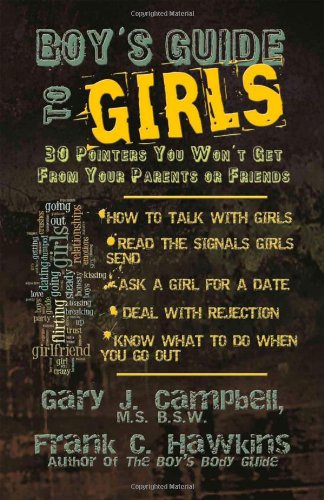
La Seduction: How the French Play the Game of Life, by Elaine Sciolino PDF